

Introduction
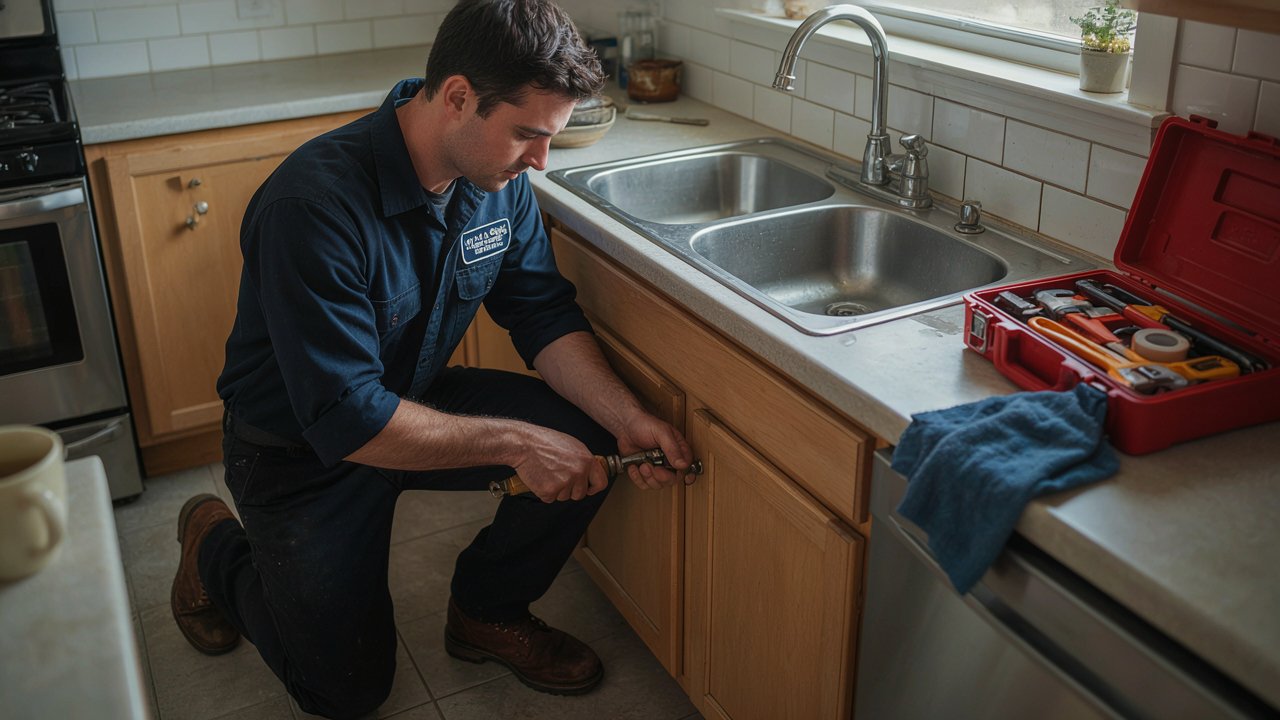
Every homeowner eventually deals with a kitchen sink problem, whether it’s a slow drain, a persistent drip, or an unpleasant odor. Some issues are simple enough to handle with basic tools and a little patience, while others signal deeper plumbing problems that require a professional kitchen sink repair.
Knowing where that line falls can save you time, money, and the frustration of a repair gone wrong. This guide breaks down which kitchen sink issues are safe to tackle yourself and which ones call for a licensed professional.
Understanding the Difference Between DIY and Professional Repairs
Kitchen sink problems generally fall into two categories: surface-level issues that affect convenience, and structural or systemic issues that affect your home’s plumbing as a whole. A clogged strainer or a loose faucet handle rarely requires more than a wrench and a few minutes.
But problems involving the water supply lines, drain pipes hidden inside walls, or persistent leaks often point to something more serious happening behind the scenes. Recognizing the difference protects both your budget and your home.
Common Kitchen Sink Problems You Can Usually Fix Yourself
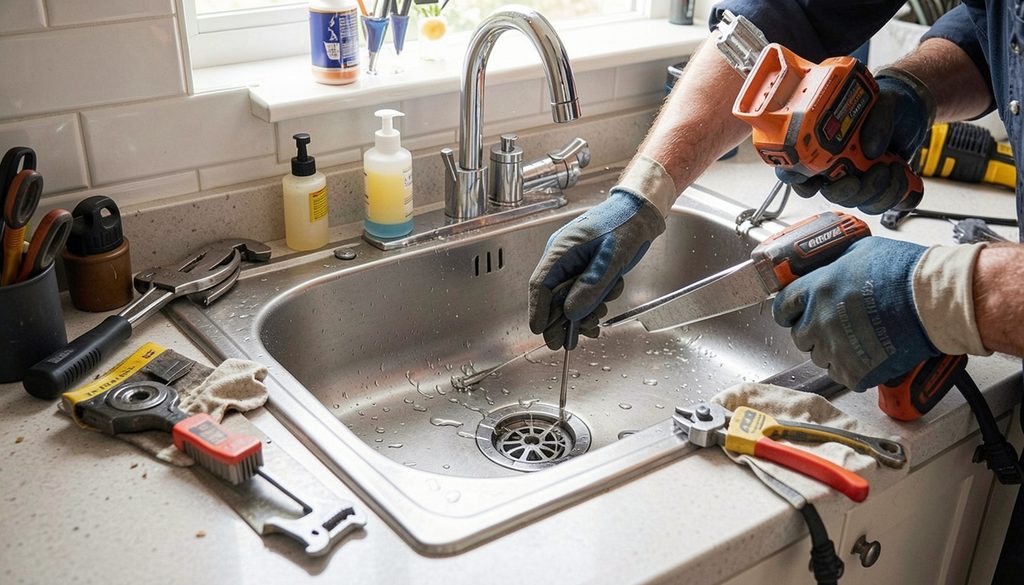
Many everyday kitchen sink issues are well within reach of a confident DIYer. A slow-draining sink can often be cleared with a plunger or a drain snake, especially when the clog is close to the surface. A dripping faucet usually means a worn washer or O-ring, both inexpensive and simple to replace.
Loose sink stoppers, minor caulking gaps around the basin, and squeaky faucet handles are also manageable weekend projects that don’t require specialized tools.
DIY-Friendly vs Professional-Level Kitchen Sink Tasks
| Task | Skill Level | Recommended Approach |
| Clearing a minor clog | Beginner | Plunger or drain snake |
| Replacing a faucet washer | Beginner | Basic tools, manufacturer guide |
| Fixing a garbage disposal jam | Intermediate | Disposal wrench, manual reset |
| Repiping under-sink plumbing | Advanced | Licensed plumber |
| Fixing a hidden pipe leak | Advanced | Licensed plumber |
Warning Signs That Signal a Bigger Plumbing Problem
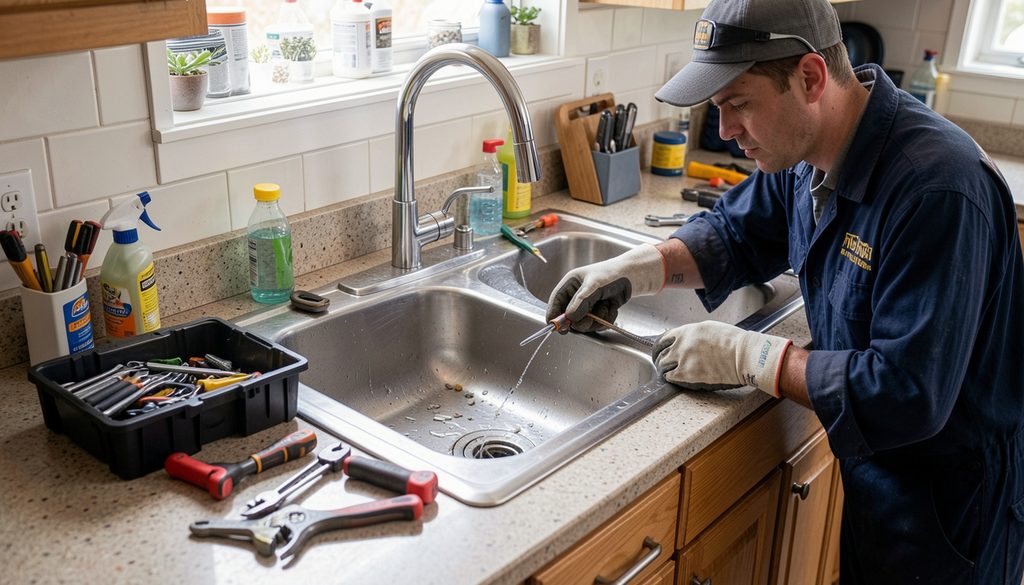
Some symptoms look minor on the surface but point to issues that go beyond a simple fix. Water stains on cabinet floors or ceilings below the kitchen indicate a leak that has likely been present for some time. Multiple slow drains throughout the house, not just the kitchen sink, often mean a blockage further down the main line rather than something local.
A persistent sewage smell, even after cleaning, can indicate a venting problem or a cracked pipe that needs professional diagnosis.
Symptom-Based Guide to Kitchen Sink Issues
| Symptom | Likely Cause | DIY or Professional |
| Water pools under sink after use | Loose P-trap connection | DIY (tighten fitting) |
| Multiple drains slow throughout house | Main line blockage | Professional |
| Rust-colored water from faucet | Aging galvanized pipes | Professional |
| Faucet drips constantly | Worn washer or cartridge | DIY |
| Sewage odor persists after cleaning | Vent pipe or sewer line issue | Professional |
Cost Considerations: DIY Repair vs Professional Service
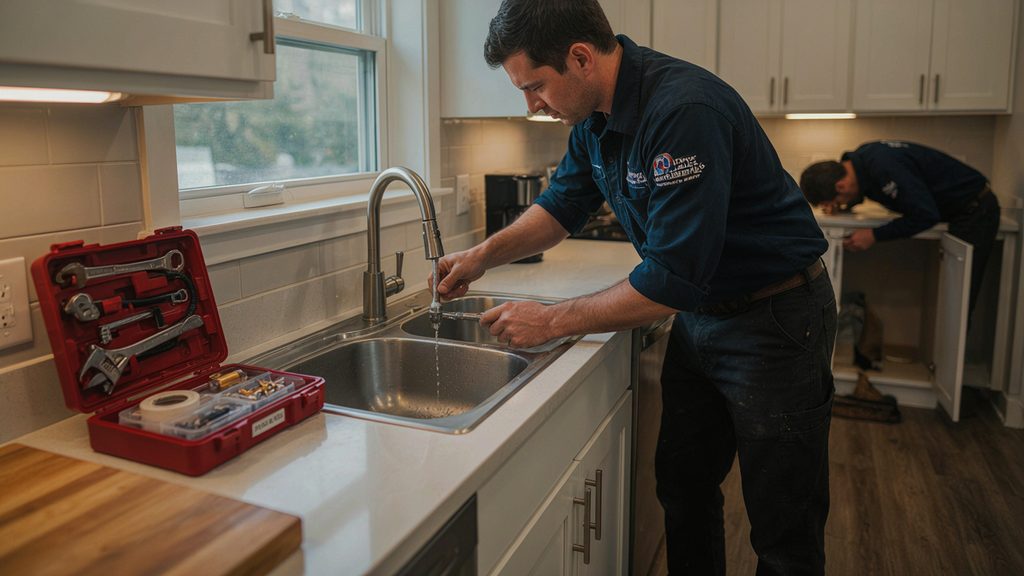
Cost is often the deciding factor for homeowners weighing DIY against professional repair. A basic DIY fix like a new washer or drain snake session typically costs very little in parts. Professional plumbing visits vary widely depending on the issue and region, but the value comes from correctly diagnosing problems that would otherwise lead to repeat repairs or water damage.
Attempting a repair beyond your skill level can sometimes cost more in the long run if it leads to a bigger leak or pipe damage.
Tips for Deciding When to Call a Plumber
- If a repair requires cutting into a wall or floor, call a professional
- Never ignore water stains, even small ones, since they usually indicate an ongoing leak
- Turn off the water supply valve before attempting any DIY repair
- If a problem returns within a few weeks of a DIY fix, it likely needs a professional diagnosis
- Keep receipts and warranty information for any parts you replace yourself
- When in doubt about local plumbing codes, a licensed plumber ensures compliance
Frequently Asked Questions
1. How do I know if my kitchen sink clog is a simple fix?
If the clog is near the drain opening and responds to a plunger or short drain snake session, it is usually a simple, DIY-friendly fix.
2. Is it normal for a kitchen sink to make gurgling noises?
Occasional gurgling can indicate a partial clog or venting issue, and if it persists after a basic cleaning, a professional inspection is recommended.
3. Can I use chemical drain cleaners for a clogged kitchen sink?
Chemical cleaners can damage older pipes and are not recommended for repeated use; a plunger or drain snake is generally safer.
4. What does it mean if water backs up into the kitchen sink from the dishwasher?
This typically indicates a clogged or improperly installed drain hose or air gap, which may need professional adjustment.
5. How much does it typically cost to hire a plumber for a kitchen sink repair?
Costs vary by region and issue complexity, but simple visits are generally less expensive than repairs involving pipe replacement or leak detection.
6. Should I replace an old kitchen sink myself or hire a professional?
Basic sink swaps with existing plumbing connections can be DIY projects, but any changes to pipe layout or water lines are best left to a licensed plumber.
Conclusion
Most kitchen sink issues start small, and many can be handled confidently with basic tools and a little research. The key is recognizing when a problem crosses the line from a simple annoyance into a sign of a larger plumbing issue. By paying attention to warning signs like persistent leaks, recurring clogs, or unusual odors, you can decide quickly whether to grab a wrench or call a professional for kitchen sink repair, saving yourself time, money, and unnecessary stress.