

Introduction
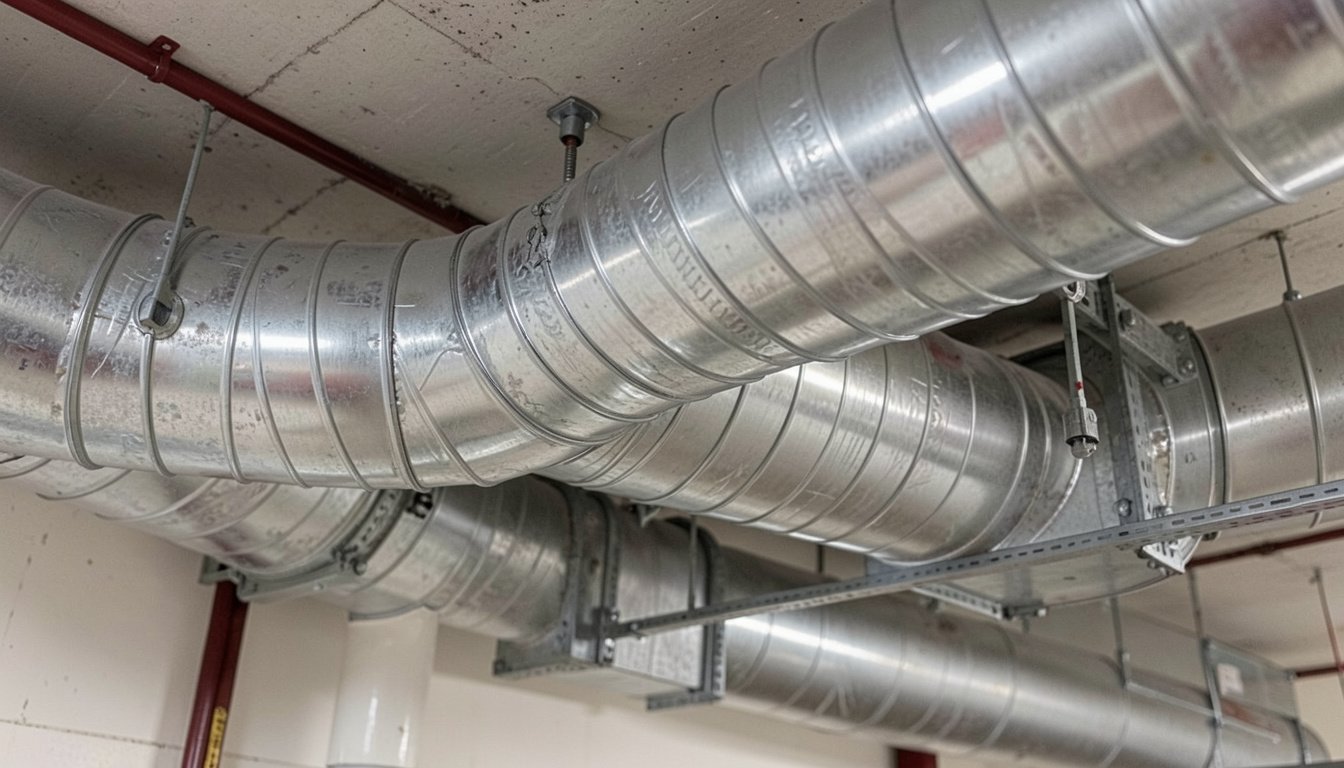
Ductwork is often out of sight and out of mind, but it plays a critical role in how efficiently your HVAC system heats and cools your home. Leaky, damaged, or poorly insulated ducts can waste a significant portion of your conditioned air before it ever reaches your living spaces, driving up energy bills and reducing comfort. The good news is that you don’t need to be a professional to catch many common ductwork problems. This guide walks you through how to inspect your ductwork like a pro, covering what to look for, where to check, and when to call in an expert.
Why Regular Duct Inspections Matter
Even small duct leaks add up over time. Homes can lose a significant percentage of heated or cooled air through poorly sealed ductwork before it ever reaches a room. Beyond wasted energy, damaged ducts can pull in dust, allergens, and even pest debris from attics, basements, and crawl spaces, degrading indoor air quality. Regular inspections help you catch these issues early, before they turn into costly repairs or comfort problems throughout your home.
Tools and Preparation for a DIY Duct Inspection
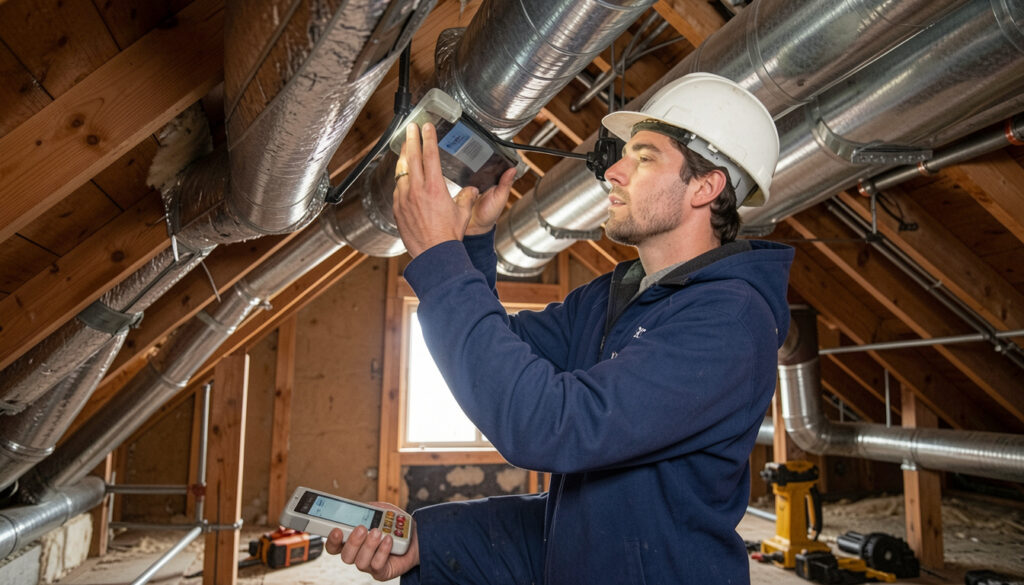
A basic duct inspection doesn’t require specialized equipment, but having the right tools on hand makes the process easier and safer.
| Tool | Purpose |
| Flashlight | Viewing ducts in dark spaces |
| Incense stick or tissue | Detecting airflow leaks |
| Work gloves | Protecting hands in attics/crawl spaces |
| Foil-backed duct tape | Temporary leak sealing |
| Camera or phone | Documenting damage for records |
Step-by-Step: How to Check for Duct Leaks
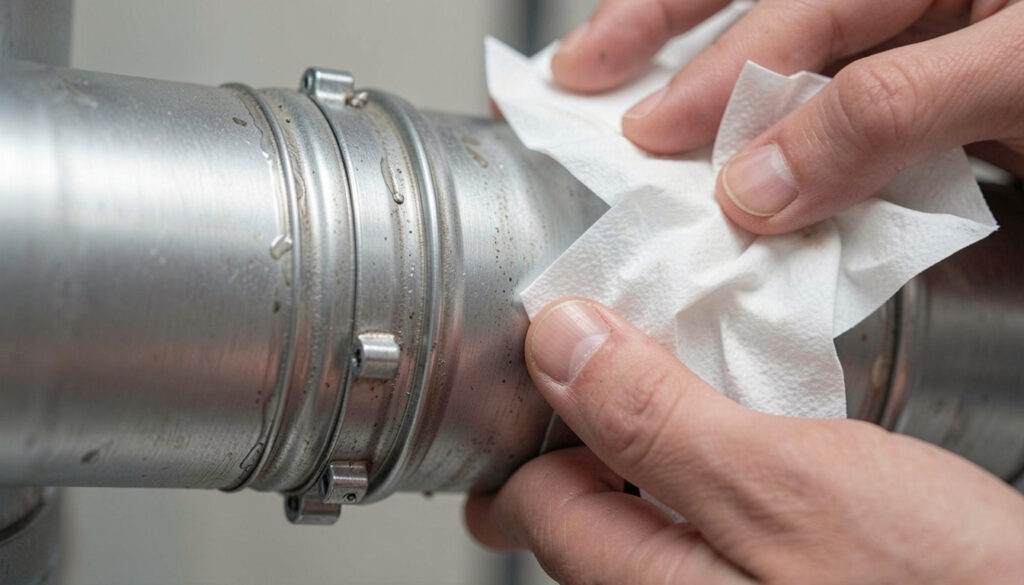
Start by visually inspecting accessible duct sections in your attic, basement, or crawl space, looking for gaps, disconnected joints, or visible holes. Turn on your HVAC system and hold a lit incense stick or a tissue near duct seams smoke that wavers or a tissue that flutters indicates air escaping. Check flexible ducts for kinks or crushed sections that restrict airflow, and inspect metal ducts for rust or corrosion. Pay close attention to joints and connections, since these are the most common failure points in residential duct systems.
Common Ductwork Problems and What They Mean
Recognizing common duct problems helps you decide whether a DIY fix is appropriate or if you need professional help.
| Problem | Likely Cause | DIY or Pro |
| Loose joints | Settling, poor installation | DIY with mastic sealant |
| Crushed flex duct | Physical damage, poor support | DIY reshape / pro if severe |
| Rust or corrosion | Moisture exposure | Professional inspection |
| Disconnected sections | Age, pest damage | Professional repair |
Checking Insulation and Airflow Balance
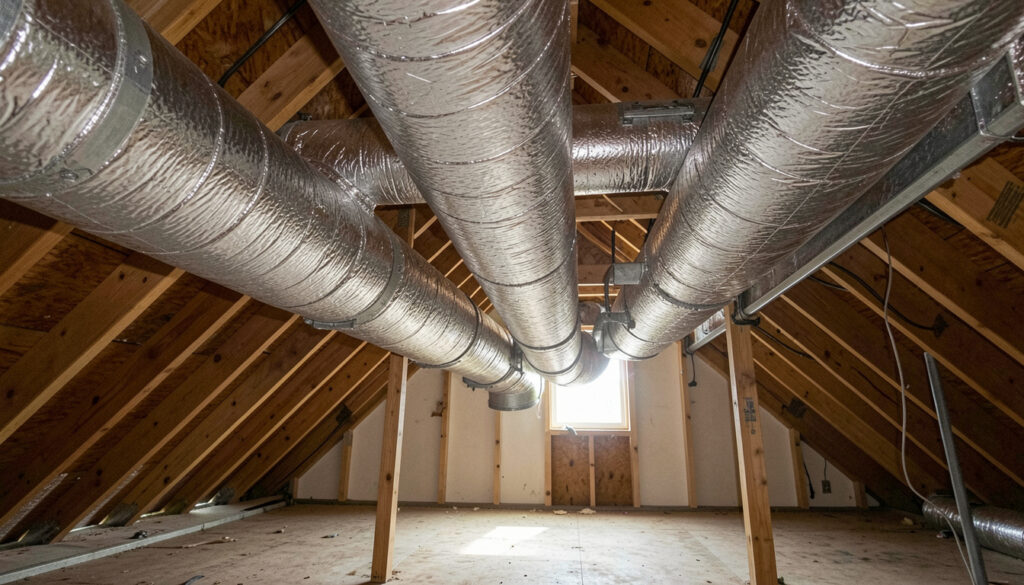
Beyond leaks, check that duct insulation is intact, especially in unconditioned spaces like attics and crawl spaces missing or compressed insulation reduces efficiency significantly. Also check airflow balance by comparing vent output in different rooms; noticeably weak airflow in one area compared to others can indicate a blockage, disconnected duct, or closed damper somewhere in the system. Addressing these imbalances improves comfort throughout your entire home, not just in rooms closest to the HVAC unit.
When to Call a Professional
- You find significant mold growth inside or around ducts
- Ductwork is inaccessible without specialized equipment
- You suspect major leaks affecting more than one room
- Ducts show extensive rust, corrosion, or pest damage
- You want a professional duct blower door test for precise leak measurement
Practical Ductwork Inspection Tips
- Schedule a duct inspection at the start of each heating and cooling season
- Use foil-backed mastic tape rather than standard duct tape for repairs, since it holds up longer
- Label duct sections you’ve inspected to track your progress
- Check both supply and return ducts, not just the ones you can easily see
- Compare your energy bills seasonally to spot signs of worsening duct efficiency
- Keep attic and crawl space access clear for easier future inspections
Frequently Asked Questions
How often should ductwork be inspected?
Most homeowners should inspect visible ductwork at least once a year, ideally before each heating or cooling season begins.
Can I seal duct leaks myself?
Minor leaks at accessible joints can often be sealed with mastic sealant or foil tape, but major leaks may need professional attention.
How do I know if my ducts are losing air?
Signs include uneven room temperatures, higher energy bills, dusty rooms, and visible gaps or disconnected sections during inspection.
Is duct tape actually good for sealing ducts?
Despite the name, standard duct tape degrades quickly with heat; foil-backed mastic tape or sealant is the better long-term choice.
What does it mean if one room is much colder or hotter than others?
This often points to a duct leak, blockage, or airflow imbalance affecting that specific supply line.
Should I insulate my ductwork myself?
Basic insulation wrapping in accessible areas can be a DIY task, but extensive re-insulation is often best handled by a professional for safety and effectiveness.
Conclusion
Inspecting your ductwork doesn’t require professional training just a bit of time, the right tools, and knowledge of what to look for. By checking for leaks, examining insulation, and monitoring airflow balance regularly, you can catch problems early and keep your HVAC system running efficiently. For issues beyond a simple DIY fix, don’t hesitate to call in a professional, especially when mold, extensive damage, or inaccessible ductwork is involved. A well-maintained duct system means lower energy bills, better comfort, and a longer-lasting HVAC system overall.