
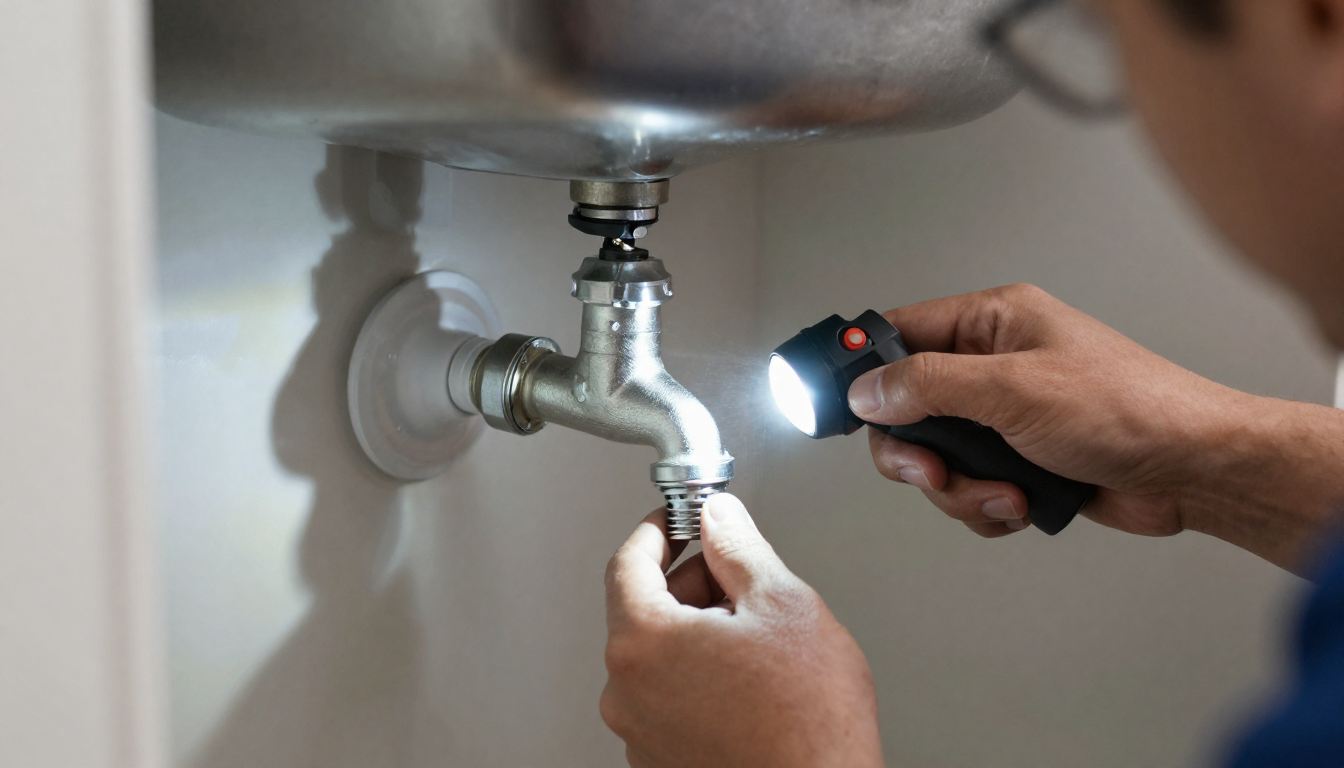

Water Leakage Repair: The Complete Guide to Fixing Water Leaks in Your Home
Water leakage is one of the most common and frustrating problems homeowners face. A single dripping pipe or a small crack in a wall can lead to massive water damage, mold growth, and skyrocketing repair costs if left untreated. The good news? Most water leakage issues can be fixed without calling an expensive professional — if you know what you are doing.
In this guide, we will walk you through everything you need to know about water leakage repair. Whether the leak is coming from your roof, walls, basement, or plumbing, this article will help you identify the source, understand the best repair methods, and fix the problem before it gets worse.
Why Water Leakage Is a Serious Problem
Water leakage may seem like a minor inconvenience at first — maybe just a small stain on your ceiling or a damp patch on the wall. But behind the scenes, water is silently damaging your home’s structure. Over time, moisture seeps into walls, weakens wooden beams, creates an environment perfect for mold and mildew, and can even compromise the foundation of your building. Ignoring a water leak is never a smart move. The longer you wait, the more expensive the repair becomes.
Common Causes of Water Leakage
Before you can fix a leak, you need to understand where it is coming from. Here are the most common causes of water leakage in homes:
Roof Leaks — Damaged, missing, or worn-out roof shingles are one of the top reasons water enters a home. During heavy rain or snowfall, water finds its way through weak spots in the roof and drips down into your living space.
Pipe Leaks — Old or corroded pipes, loose joints, and cracked pipe fittings are extremely common in older homes. Even a tiny crack in a pipe can release hundreds of gallons of water over time.
Wall and Foundation Cracks — Cracks in your exterior or basement walls allow groundwater to seep in, especially during the rainy season. This type of leakage is often slow but incredibly damaging.
Plumbing Fixtures — Leaky faucets, toilets, and shower heads are another frequent culprit. The washers and seals inside these fixtures wear out over time and need regular replacement.
Poor Drainage — If water is not draining properly away from your home, it can pool around the foundation and slowly work its way inside.
How to Repair Water Leakage: Step-by-Step
Step 1: Locate the Source of the Leak
Start by carefully inspecting your home. Look for water stains, discoloration, or damp patches on ceilings and walls. Check under sinks, around toilets, and near exterior walls. Sometimes, the visible stain is not directly above the actual leak — water can travel along beams and pipes before dripping down.
Step 2: Stop the Leak Temporarily
If the leak is active, stop it immediately. Turn off the water supply if it is a pipe leak. Use waterproof tape, epoxy putty, or sealant to seal the crack or joint temporarily. This buys you time to plan a proper repair.
Step 3: Dry the Affected Area
Use towels, fans, or a dehumidifier to dry out the wet area completely. Moisture left behind encourages mold growth, which creates a whole new set of health and structural problems.
Step 4: Apply the Permanent Fix
Depending on the source of the leak, your permanent solution will vary. For pipe leaks, replacing the damaged section or applying a quality pipe sealant works best. For roof leaks, replace the damaged shingles and apply roofing cement or flashing. For wall cracks, use hydraulic cement or a waterproof patching compound to seal the crack properly.
Step 5: Prevent Future Leaks
Once your repair is done, take time to prevent future leaks. Inspect your roof at least twice a year. Keep gutters clean so water flows freely. Seal any visible cracks in your foundation. Replace old washers in faucets and toilets before they fail.
When to Call a Professional
Not every leak is a DIY job. If the damage is extensive, if you cannot locate the source, or if the repair involves electrical systems or deep structural issues, it is best to call a licensed plumber or contractor. Trying to fix something beyond your skill level can make the problem worse and cost you even more in the long run.
Final Thoughts
Water leakage repair does not have to be complicated or costly. By understanding the common causes, acting quickly when you spot a leak, and following the right repair steps, you can protect your home and save yourself from serious damage. Stay proactive, stay informed, and your home will stay dry.
🔍 TARGET Suggests USED IN THE ARTICLE:
| Suggestions | Links |
|---|---|
| Water leakage repair | soon as possible |
| How to fix water leaks | soon as possible |
| Water leak repair at home | soon as possible |
| Roof water leakage repair | soon as possible |
| Pipe leak repair | soon as possible |
| Water leakage causes | soon as possible |
| DIY water leakage fix | soon as possible |
| Waterproof repair for walls | soon as possible |
| Stop water leakage in basement | soon as possible |
| Water damage prevention how to stop water leaking from pipe joints | soon as possible |