


Home updates once focused on aesthetics, bigger rooms, fresh counters, and sleeker taps. Lately, attention has drifted elsewhere. Homes now seem less like static shells and more like machines breathing, using energy, and reacting. People care less about surface-level changes like in aesthetics and designs of a house, but more about what happens underneath. Nowadays, property owners increasingly prioritize efficiency upgrades that reduce emissions and operating costs of their property. As per the experts at property management in Oakland, California, this not only helps homeowners increase the value of their property but also makes their houses stand out in competitive rental markets. However, appearance still matters, yet function pulls harder. Efficiency creeps into decisions, and comfort shapes choices.
5 Smart Choices to Make for a Clean, Energy-Efficient Home
- Seal the Building Envelope
Start by making sure your house holds onto heat, or keeps it out, better than most. Think of your building shell first, before gadgets or solar panels ever come into play. What matters is how well the outside stays separate from the inside. If air slips through cracks, it’ll take more energy to keep your house warm or cool. Upgrading what’s tucked into ceilings, floors, and walls can make a real difference. Professionals working in property management in San Diego often recommend going beyond minimum standards when adding insulation, as it can also enhance the property value. Materials such as tightly packed cellulose or sprayed-in foam resist temperature shifts more effectively. Close gaps near floor edges, electrical boxes, and where pipes pass through. Once those spots are tight, less heating and cooling escapes.
Did you know?
The median sale price of a house in Oakland, CA, was $766K in December 2025.
- Upgrade to High-Performance Windows
Windows often lead to temperature changes inside a house. Most regular windows have two layers of glass, yet they fail at keeping heat inside your home. That’s why consider investing in three-layer panes built with Low-E treatments plus sealed edges in your energy-efficient house. Such models perform closer to solid barriers than old-style openings, stopping outdoor warmth from entering when it’s hot outside, and holding warmth in when it’s cold. This switch can help you avoid getting your chilly air leak, bringing steadier room temperatures along with less noise overall.
- Switch to Heat Pump Systems
Heat pumps shift warmth instead of creating it. Using fossil fuels for heating can lose ground fast. Modern systems swap out old gas setups quietly. Thus, efficiency at times can jump by three hundred percent. Cold areas manage just fine now, too. This helps keep comfort steady through the cold winter months. This way, homeowners can cut carbon output sharply on their property. Electric charge spreads without much noise.
Did you know?
As of early 2026, San Diego house prices remain high, with the median home value around $934,621 to $969,000, reflecting a slight, slow-paced decrease from the 2025 pandemic-driven peak.
- Install Smart Home Energy Systems
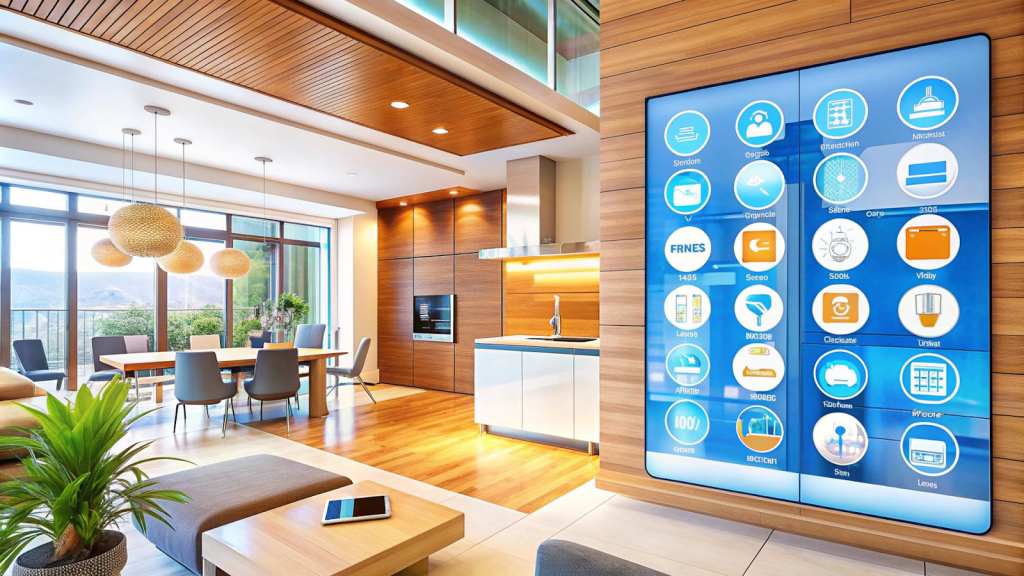
You can start seeing savings when homes begin learning routines. Devices can monitor how people move through rooms and adjust their settings on their own. Picture a house that knows when lights stay on for too long, or heat runs while windows are open. Information can flow in every second, showing which gadgets are draining power even when they are turned off. Decisions can get clearer once numbers appear right before your eyes. Comfort holds steady because changes happen quietly, behind the scenes.
- Add Solar Panels with Battery Storage
Start with less energy waste, then make your own energy with little to no emissions at all. Rooftop solar panels can turn sunlight into power exactly where it’s supposed to be used. These days, many people include batteries along with solar panels. Stored energy runs lights and devices when the sun sets. Power stays on even if the main grid fails. That backup can help in keeping things working and efficient through storms and heatwaves.
Final Thoughts
Fixing up homes used to mean paint and pretty finishes. Now it means making them work better every day. Sealing gaps, switching to electrical heat, and using sunlight for powering the house—these investments can cut the pollution fast. Over time, it makes your space even more comfortable. So the investment is worth it. Money spent here isn’t gone but figuratively multiplying, as it gives back, slowly, in the form of lower bills and cleaner air. Lastly, houses shaped by such smart choices today handle tomorrow’s surprises without waste or worry.