
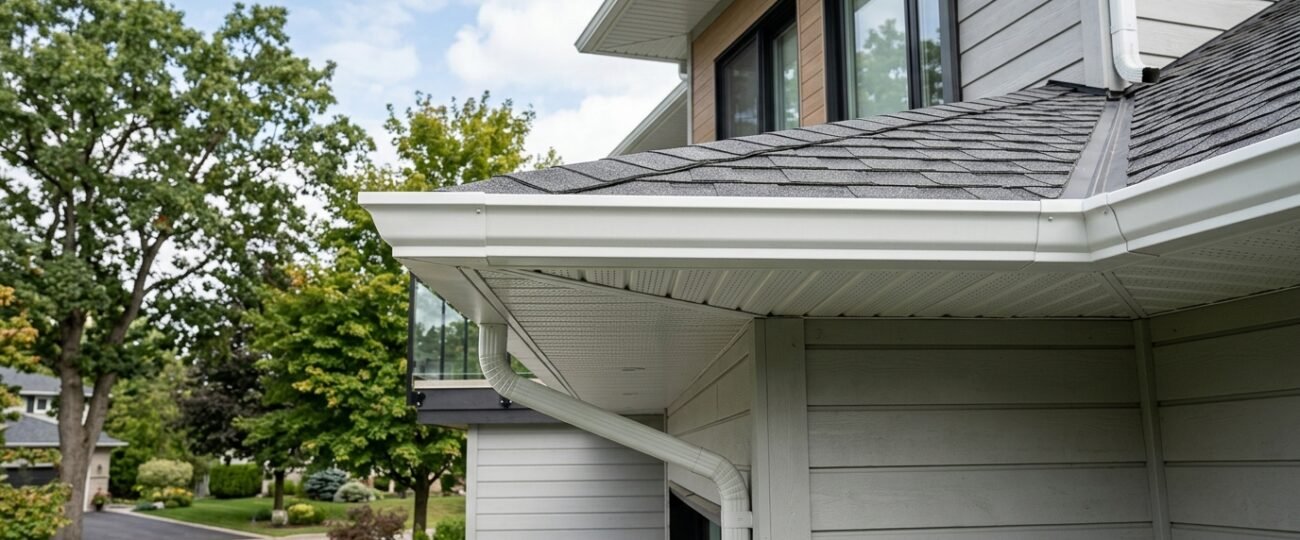

Soffit and fascia are important parts of your roofline. They help protect the edge of your roof, support gutter systems, improve ventilation, and give your home a finished appearance. Because they are exposed to rain, moisture, wind, sunlight, insects, and temperature changes, they can deteriorate over time if they are not properly maintained.
The good news is that regular inspections and simple maintenance can help extend the life of your soffit and fascia while reducing the risk of expensive repairs.
In this guide, we’ll explain how to extend the life of your soffit and fascia, what problems to look for, and when professional repairs or replacement may be necessary.
What Are Soffit and Fascia?
Before discussing maintenance, it helps to understand the role of each component.
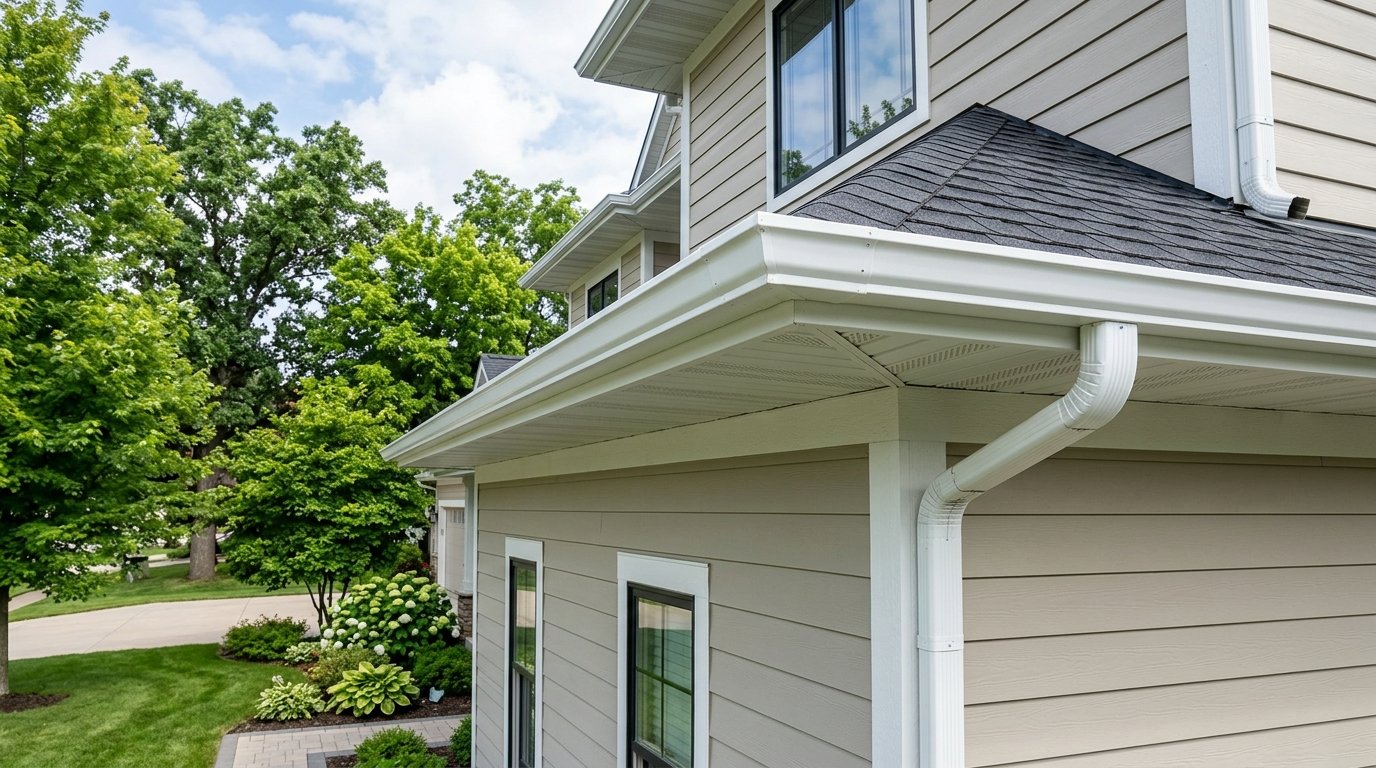
Soffit is the material installed underneath the roof overhang. It often helps provide ventilation to the attic while protecting the underside of the roof from insects, moisture, and debris.
Fascia is the vertical board or trim located along the lower edge of the roof. Gutters are commonly attached to or near the fascia, making this component particularly important for managing rainwater.
Together, soffit and fascia help protect the roof structure and contribute to the overall appearance of your home.
Why Is Soffit and Fascia Maintenance Important?
Neglected soffit and fascia can develop several problems, including:
- Wood rot
- Cracks and holes
- Peeling or damaged paint
- Water stains
- Mold or mildew
- Pest infestations
- Loose sections
- Poor attic ventilation
- Gutter attachment problems
Small issues can become more serious when moisture gets behind the exterior materials. Regular maintenance allows homeowners to identify problems before they cause damage to surrounding roof or wall components.
1. Inspect Your Soffit and Fascia Regularly
One of the easiest ways to extend the life of soffit and fascia is to inspect them regularly.
Walk around your property and look for visible signs of damage. Pay particular attention to areas underneath roof edges, around gutters, and near joints or seams.
Look for:
- Cracks
- Holes
- Sagging
- Rot
- Discoloration
- Peeling paint
- Loose boards or panels
- Water stains
- Signs of insects or birds
A visual inspection can help you discover minor problems before they develop into expensive repairs.
2. Keep Gutters Clean and Working Properly
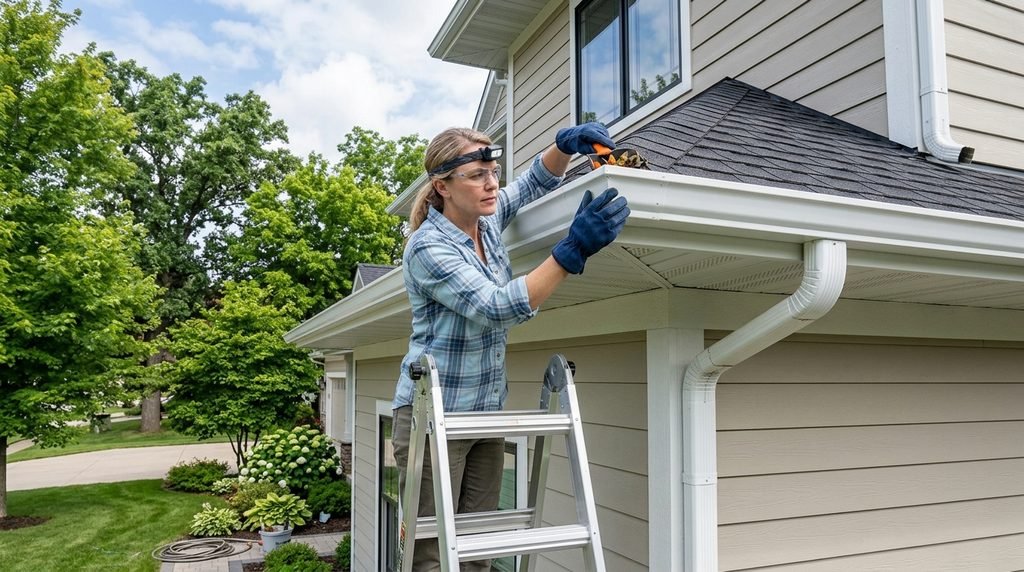
Gutters play an important role in protecting your soffit and fascia.
When gutters become blocked with leaves, dirt, or other debris, water may overflow against the roofline. Continuous exposure to water can cause fascia boards to deteriorate, particularly when they are made from wood.
Clean gutters regularly and check that rainwater flows freely through the system.
Also inspect downspouts to make sure they direct water safely away from the home’s foundation and exterior walls.
3. Check for Water Leaks
Water is one of the biggest threats to soffit and fascia.
Check the roofline and gutter system for signs of leaking. Water stains, dark patches, soft wood, or peeling paint can indicate that moisture is entering an area where it should not.
A leaking gutter, damaged roof flashing, or deteriorated roofing material may allow water to reach the fascia and soffit.
If you notice persistent moisture, identify and fix the underlying source rather than simply covering the visible damage.
4. Maintain Proper Roof Ventilation
Soffit panels can provide important intake ventilation for an attic.
Blocked soffit vents can restrict airflow and contribute to moisture-related problems in the attic. Depending on the home’s design and climate, inadequate ventilation can also affect the condition of roofing materials.
Keep soffit vents free from:
- Dust
- Leaves
- Insect nests
- Paint buildup
- Other debris
Never block ventilation openings simply to improve the appearance of the roofline.
If you are unsure whether your attic ventilation system is adequate, consider having it evaluated by a qualified roofing professional.
5. Protect Wooden Fascia From Moisture
If your fascia is made from wood, protecting it from prolonged moisture exposure is especially important.
Inspect painted or stained surfaces for cracks and areas where the finish is peeling. Damaged protective coatings can allow water to reach the underlying wood.
Depending on the material and local conditions, maintenance may include:
- Cleaning the surface.
- Allowing it to dry completely.
- Repairing damaged areas.
- Applying an appropriate exterior primer or coating.
- Repainting when necessary.
Always use products designed for exterior applications and follow the manufacturer’s instructions.
6. Trim Nearby Trees and Vegetation
Trees and plants near the roof can contribute to soffit and fascia problems.
Overhanging branches may scratch surfaces, drop leaves into gutters, or provide access for animals and pests. Dense vegetation can also keep exterior surfaces damp for longer periods.
Trim branches appropriately so they do not constantly contact the roofline.
However, avoid removing or heavily pruning trees without considering local regulations and the health of the tree. For large or hazardous branches, professional tree care may be safer.
7. Watch for Pest and Bird Damage
Soffits and fascia can sometimes provide entry points for insects, birds, bats, rodents, or other animals.
Look for:
- Small holes
- Nesting materials
- Droppings
- Gnaw marks
- Damaged vents
- Repeated animal activity
Do not simply seal an opening if an animal may still be inside. First determine what is causing the problem and use appropriate, humane pest or wildlife-control methods where necessary.
Repair damaged openings afterward to help prevent future entry.
8. Repair Small Problems Early
A small crack or loose section may appear harmless, but delaying repairs can allow water and pests to enter.
For example, a small damaged area around a soffit vent could eventually become a larger opening. Likewise, a loose fascia board may become worse if it is repeatedly exposed to wind and rain.
Early repairs may involve:
- Re-securing loose sections
- Replacing damaged fasteners
- Repairing small surface defects
- Replacing a damaged section
- Repainting exposed wood
- Repairing gutter attachments
The correct repair depends on the material and the extent of the damage.
9. Choose Durable Replacement Materials
When replacement becomes necessary, consider the material carefully.
Common soffit and fascia materials include:
Wood
Wood can provide a traditional appearance and can be repaired or repainted. However, it generally requires more ongoing maintenance to protect it from moisture and deterioration.
Aluminum
Aluminum can resist many common exterior problems and is available in various finishes. It is often used for both soffit and fascia applications.
Vinyl
Vinyl soffits are commonly used because they are relatively low-maintenance and available in different styles and colors.
Fiber Cement and Other Composite Materials
Some homes use composite or engineered materials designed to provide durability with reduced maintenance.
The best option depends on your climate, home design, budget, appearance preferences, and local building requirements.
10. Have the Roofline Professionally Inspected When Needed
Homeowners can identify many visible problems, but some damage is difficult to see from the ground.
Consider professional inspection if you notice:
- Significant rot
- Persistent water damage
- Sagging fascia
- Damaged roof edges
- Gutter problems
- Extensive pest damage
- Attic moisture
- Structural concerns
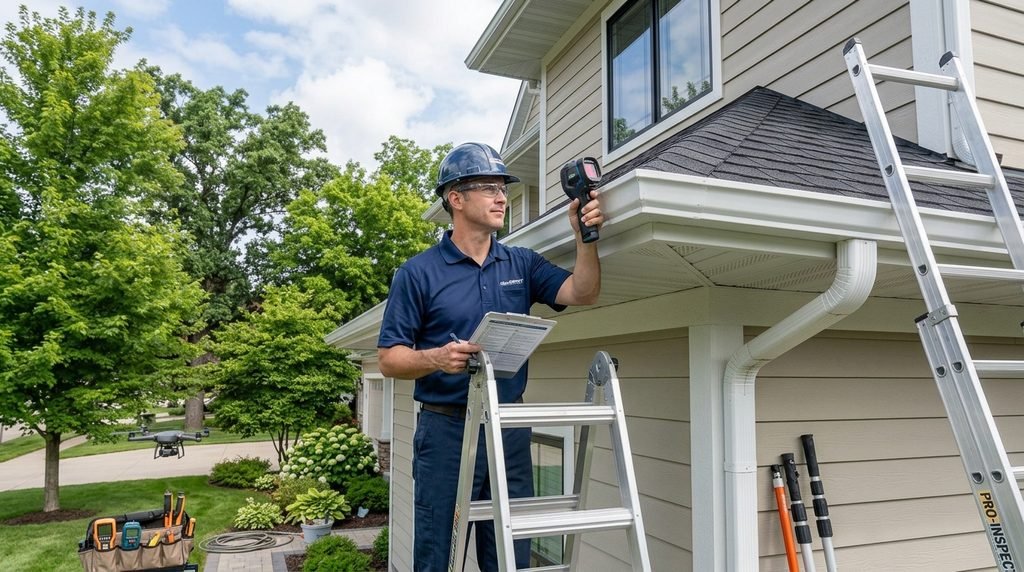
A qualified roofing or exterior professional can assess the condition of the roofline and determine whether repair or replacement is appropriate.
Signs That Your Soffit and Fascia May Need Replacement
Maintenance can extend the service life of soffit and fascia, but replacement may eventually be necessary.
Common warning signs include:
- Extensive wood rot
- Large cracks or holes
- Repeated water damage
- Severely warped materials
- Large sections pulling away from the home
- Persistent pest entry
- Damaged or ineffective ventilation components
- Structural deterioration
If only a small section is damaged, partial replacement may be possible. Extensive deterioration may require a larger repair project.
A Simple Soffit and Fascia Maintenance Checklist
Use this checklist during your regular home maintenance routine:
- Inspect soffit and fascia for visible damage.
- Clean gutters and downspouts.
- Check for water leaks.
- Keep soffit vents clear.
- Look for signs of rot.
- Check painted wood for peeling or cracking.
- Trim branches near the roofline.
- Look for pest or animal activity.
- Repair loose sections promptly.
- Check gutter attachments.
- Inspect after severe storms.
- Arrange professional inspection when damage is difficult to assess.
How Often Should You Check Soffit and Fascia?
There is no single maintenance schedule that works for every home. Inspection frequency can depend on the material, climate, roof design, nearby trees, and exposure to severe weather.
As a practical approach, inspect the roofline at least periodically and pay special attention after heavy rain, strong winds, or storms.
If your home has older wooden soffit and fascia, more frequent inspections may be worthwhile.
Common Mistakes to Avoid
Ignoring Small Water Stains
A small stain can indicate a larger moisture problem. Investigate the source instead of simply painting over it.
Allowing Gutters to Stay Blocked
Blocked gutters can increase water exposure around the fascia and roof edge.
Painting Over Rot
Paint cannot restore structurally damaged wood. Rotten sections may need repair or replacement before applying a new protective coating.
Blocking Soffit Vents
Covering ventilation openings can interfere with attic airflow and may contribute to moisture problems.
Delaying Professional Repairs
If the damage involves structural components or extensive deterioration, professional assessment is often safer than attempting a major repair without the necessary experience.
Final Thoughts
Learning how to extend the life of your soffit and fascia starts with regular inspection, proper gutter maintenance, moisture control, good ventilation, and timely repairs.
Keeping gutters clear, protecting exposed wood, trimming nearby vegetation, checking for pests, and addressing small problems early can help protect the roofline and reduce unnecessary repair costs.
When damage is extensive or the cause is unclear, consult a qualified roofing or exterior professional. Proper maintenance can help your soffit and fascia remain functional and attractive for many years.
FAQs
1. How can I extend the life of my soffit and fascia?
Regular inspections, clean gutters, proper ventilation, moisture control, prompt repairs, and protection of wooden surfaces can all help extend the life of soffit and fascia.
2. What causes soffit and fascia to deteriorate?
Common causes include moisture, leaking gutters, poor ventilation, severe weather, insects, animals, lack of maintenance, and normal aging.
3. How often should soffit and fascia be inspected?
Inspect them periodically throughout the year and after significant storms. Older or wood-based systems may benefit from more frequent checks.
4. Can I repair damaged fascia myself?
Minor cosmetic repairs may be suitable for experienced homeowners, but extensive rot, structural damage, or roof-related problems should be evaluated by a qualified professional.
5. Why is gutter maintenance important for fascia?
Blocked or damaged gutters can cause rainwater to overflow or leak against the fascia, increasing the risk of moisture damage and rot.
6. Should soffit vents be cleaned?
Yes. Soffit vents should be kept clear of debris, insect nests, and other obstructions so that the ventilation system can function properly.
7. How do I know if my fascia needs replacing?
Severe rot, extensive cracking, warping, structural deterioration, or repeated water damage may indicate that replacement is more appropriate than a simple repair.
8. Is wood or vinyl better for soffit and fascia?
Neither material is universally best. The right choice depends on your home’s design, climate, budget, maintenance expectations, and local requirements.