
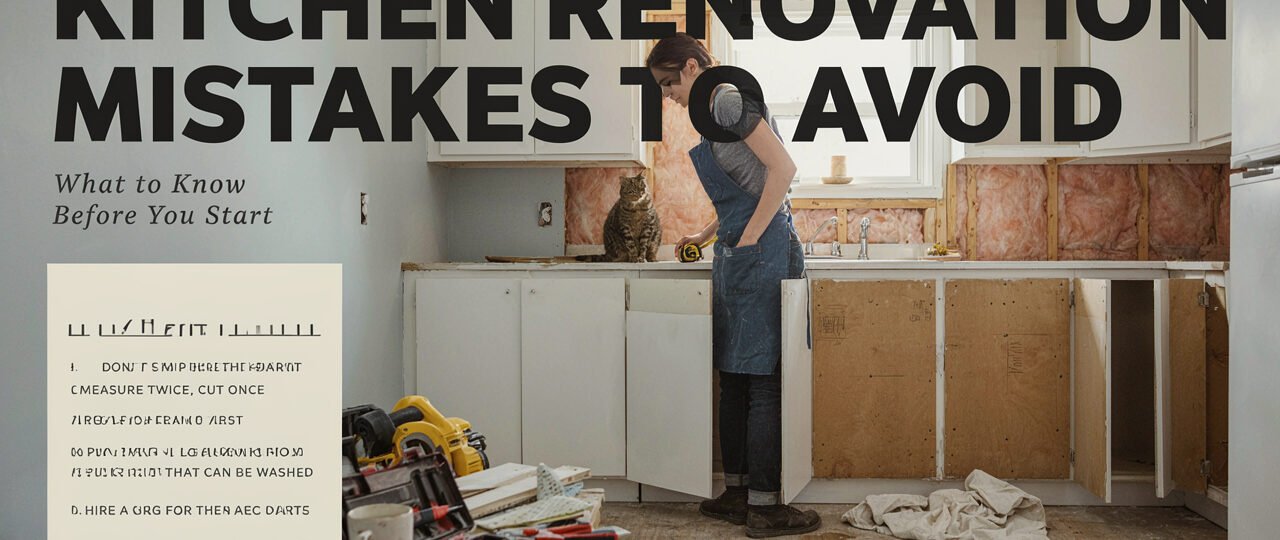

A kitchen remodel can completely change the way your home looks and functions. New cabinets, better lighting, updated appliances, and improved storage can make everyday cooking much easier. However, a successful renovation depends on more than choosing attractive finishes.
Poor planning can lead to wasted space, unexpected expenses, inconvenient layouts, and design choices that become frustrating over time. Understanding the most common kitchen renovation mistakes before work begins can help homeowners plan a remodel that is practical, comfortable, and built to last.
1. Starting Without a Realistic Budget
One of the biggest renovation mistakes is beginning the project without establishing a realistic budget.
Kitchen remodeling costs can quickly increase when homeowners change materials, add features, or discover unexpected problems during construction. A detailed budget should account for cabinets, countertops, flooring, appliances, lighting, plumbing, labor, permits where applicable, and other project-specific expenses.
It is also sensible to keep a contingency amount for unexpected work. Older homes, for example, may reveal plumbing, electrical, or structural issues once walls or cabinets are removed.
A clear budget gives you a better idea of what you can realistically achieve before purchasing materials.
2. Choosing Appearance Over Function
A beautiful kitchen is valuable, but it also needs to work well every day.
One common mistake is selecting cabinets, islands, or appliances based entirely on appearance without considering how people will move through the room.
Think about how you prepare food, where groceries are unloaded, how dishes are washed, and where frequently used appliances are located. The placement of these elements can have a major effect on everyday convenience.
Before finalizing the design, consider the complete workflow rather than focusing on individual features.
3. Not Planning Enough Storage
Running out of storage can quickly make a newly renovated kitchen feel cluttered.
Instead of simply adding more cabinets, think about what you actually need to store. Pots, pans, dishes, food containers, small appliances, cleaning supplies, and pantry items may all require different types of storage.
Pull-out organizers, deep drawers, corner solutions, pantry cabinets, and vertical storage can help make better use of available space.
Good storage planning is particularly important in smaller kitchens, where every cabinet and drawer matters.
4. Ignoring Lighting
Lighting is sometimes treated as an afterthought, but it can influence both the appearance and functionality of a kitchen.
A single central light may not provide enough illumination for countertops, sinks, cooking areas, or other work zones.
A better approach is to combine different types of lighting. General lighting can illuminate the room, task lighting can brighten work surfaces, and decorative fixtures can add visual character.
Plan lighting before construction so electrical points and fixtures can be positioned correctly.
5. Choosing Materials Without Considering Maintenance
A material may look impressive in a showroom but still be unsuitable for your daily routine.
Kitchen surfaces regularly encounter food, moisture, heat, grease, and frequent cleaning. Countertops, flooring, cabinet finishes, and backsplashes should therefore be selected with maintenance requirements in mind.
Ask yourself how often you are willing to clean and maintain each material. A slightly simpler finish that is easy to care for may be more practical than a high-maintenance option.
Always follow the manufacturer’s care instructions for the specific product you choose.
6. Forgetting About Appliances During Design
Appliances should be considered early rather than added to the plan at the end.
Refrigerators, ovens, dishwashers, microwaves, and other appliances have specific dimensions and installation requirements. Their locations also affect cabinet design, electrical connections, ventilation, and movement around the kitchen.
Measure appliances carefully and confirm specifications before ordering cabinets or countertops.
Planning these details early can prevent expensive changes later.
7. Overlooking Ventilation
Cooking produces heat, moisture, smoke, and odors. Without suitable ventilation, these can affect indoor air quality and may contribute to grease buildup.
When remodeling, consider how cooking fumes will be managed. The appropriate ventilation solution depends on the kitchen layout, appliance type, building structure, and local requirements.
Do not treat ventilation as merely a decorative feature. It is an important part of a functional kitchen.
8. Making the Kitchen Too Trendy
Trends can provide useful inspiration, but following every trend can make a kitchen feel dated sooner than expected.
Large design decisions such as cabinets, flooring, and countertops can be expensive and difficult to replace. For these elements, timeless styles may offer more long-term flexibility.
You can still introduce current trends through easier-to-change details such as lighting, hardware, wall colors, accessories, or décor.
This approach allows you to refresh the kitchen later without starting another major renovation.
9. Underestimating the Importance of Measurements
Small measurement errors can create surprisingly large problems.
Before ordering cabinets, countertops, appliances, or fixtures, verify dimensions carefully. Consider door swings, drawer clearance, appliance openings, walkways, and ceiling height.
It is also important to account for existing plumbing and electrical locations when developing the layout.
For complex renovations, professional measurements and planning can help reduce costly mistakes.
10. Trying to Do Every Job Yourself
DIY work can be useful for certain cosmetic projects, but a full kitchen renovation may involve electrical, plumbing, gas, structural, or ventilation work.
Tasks involving specialized systems should be handled by appropriately qualified professionals where required. Incorrect work can create safety risks and may also lead to expensive repairs.
Before starting construction, determine which parts of the project you can realistically handle and which should be completed by experienced tradespeople.
A Better Way to Plan Your Kitchen Remodel
Avoiding kitchen renovation mistakes starts with planning before demolition begins.
Create a clear project brief that covers:
- Your renovation goals
- Available budget
- Desired layout
- Storage requirements
- Appliance choices
- Lighting needs
- Flooring and surface materials
- Expected maintenance
- Project timeline
- Professional work that may be required
It can also help to review the design from the perspective of everyday use. Imagine preparing a meal, unloading groceries, washing dishes, opening the refrigerator, and moving between different work areas.
If the layout works comfortably in those situations, it is more likely to work well after the renovation is complete.
FAQs
What is the biggest mistake to avoid when renovating a kitchen?
Poor planning is one of the biggest mistakes. A kitchen should be designed around your budget, available space, storage needs, appliances, lighting, and everyday workflow before construction begins.
How can I avoid going over budget during a kitchen renovation?
Create a detailed budget before purchasing materials and include a contingency for unexpected costs. Avoid making major design changes after construction has started, as changes can increase labor and material expenses.
Should I choose kitchen style or functionality first?
Functionality should come first. Once the layout, storage, appliances, lighting, and workflow are properly planned, you can choose colors, finishes, and decorative elements that create the desired style.
How important is kitchen lighting?
Kitchen lighting is very important because different areas serve different purposes. A combination of general, task, and accent lighting can improve visibility while also making the room more attractive.
Should appliances be selected before cabinets?
It is usually helpful to select or at least finalize the specifications of major appliances before cabinet construction. Their dimensions and installation requirements can affect the overall kitchen design.
Is it worth hiring professionals for a kitchen remodel?
For complex work involving plumbing, electrical systems, structural changes, ventilation, or other specialized tasks, professional assistance can be valuable. Qualified professionals can help ensure that work is completed safely and according to applicable requirements.
Final Thoughts
A successful kitchen remodel is not simply about installing beautiful cabinets and modern finishes. The best results come from creating a space that fits your lifestyle and remains practical long after the renovation is finished.
By avoiding common kitchen renovation mistakes—such as poor budgeting, insufficient storage, weak lighting plans, inaccurate measurements, and ignoring appliance requirements—you can make better decisions from the beginning.
Take time to plan the layout, understand your priorities, select materials carefully, and bring in qualified professionals when specialized work is needed. A thoughtful approach can turn your renovation into a kitchen that is both attractive and genuinely useful.