
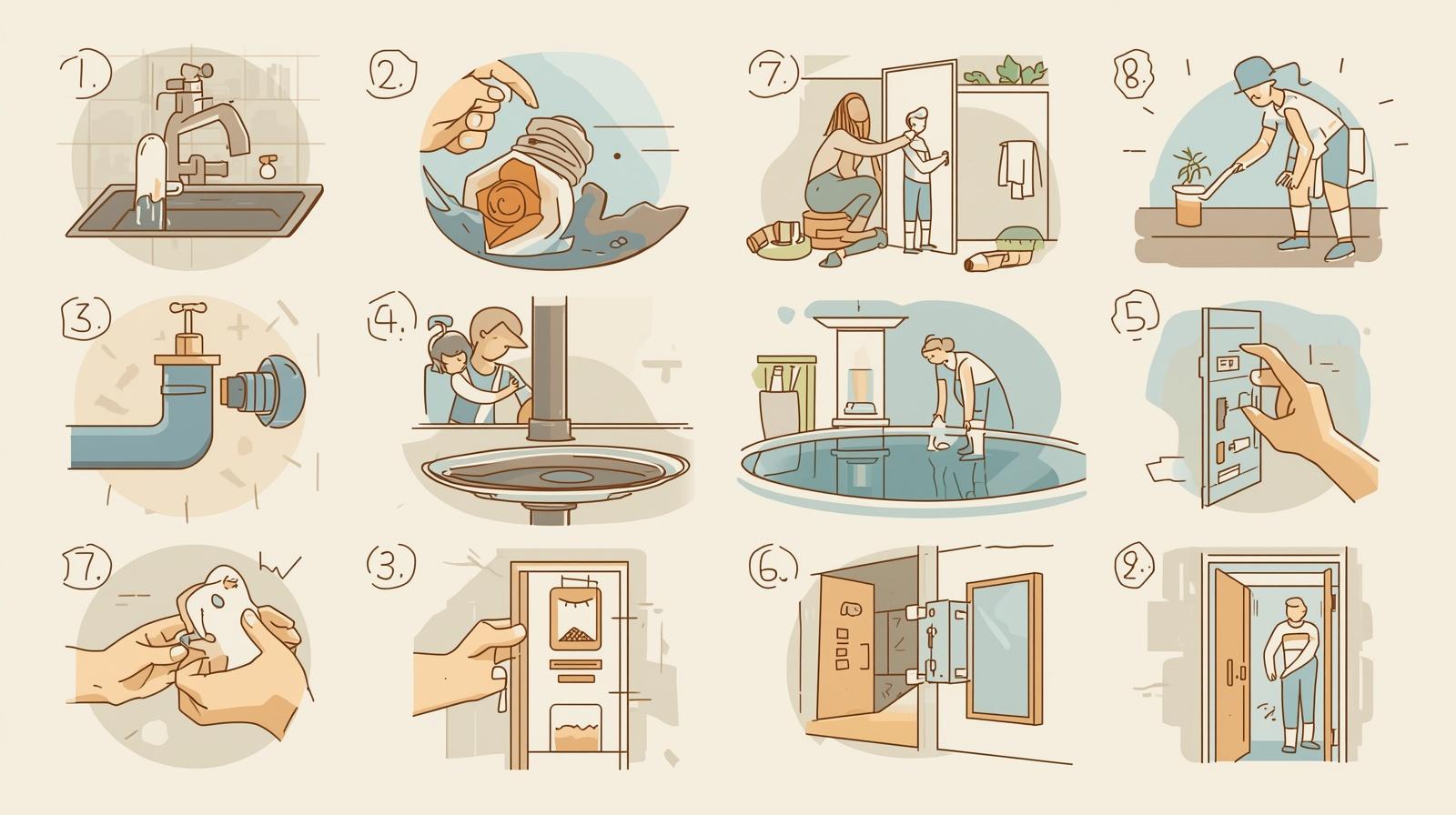

Every home experiences its share of everyday problems. Dripping faucets can keep you awake at night. Squeaky floors can announce your every move. These issues are a normal part of homeownership.
The good news is that most common household problems are well within the abilities of a motivated homeowner to fix. Learning these basic repairs saves money, builds confidence, and prevents small annoyances from becoming larger problems.
Professional repair costs have risen significantly in recent years. A simple plumber visit for a leaky faucet can cost $150 to $300 or more. However, the repair may take only 30 minutes and require parts costing around $20. Learning common home repairs is a valuable skill. It can save money and provide benefits throughout your time as a homeowner.
Why Every Homeowner Should Know Basic Repairs
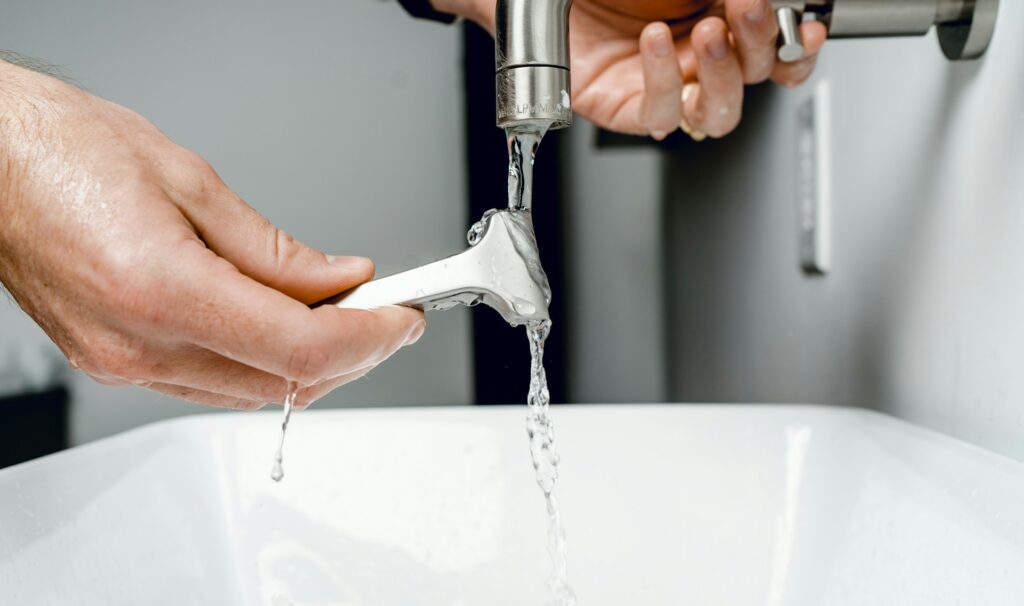
A leaky faucet wastes thousands of gallons of water per year and drives up utility bills unnecessarily. Most faucet leaks are caused by worn or damaged washers or O-rings inside the handle mechanism. Replacing these components requires turning off the water supply under the sink, disassembling the faucet handle, replacing the worn part, and reassembling. Repair kits for most faucet types are available at hardware stores for under $15.
A running toilet is another common and wasteful problem. The sound of water constantly running indicates that the flapper valve at the bottom of the tank is not sealing properly, or the fill valve is faulty. Replacing a toilet flapper takes about five minutes and costs roughly $5. If the fill valve is the culprit, a complete replacement kit costs around $15 and the installation process is straightforward enough for most beginners.
Fixing Leaky Faucets and Running Toilets
Squeaky floors are usually caused by the subfloor moving against the floor joists or by hardwood boards rubbing against each other. From above, try sprinkling powdered graphite or talcum powder between squeaky floorboards to lubricate them. From below in a basement or crawl space, drive a screw up through the subfloor into the squeaky area to pull it tight against the joist.
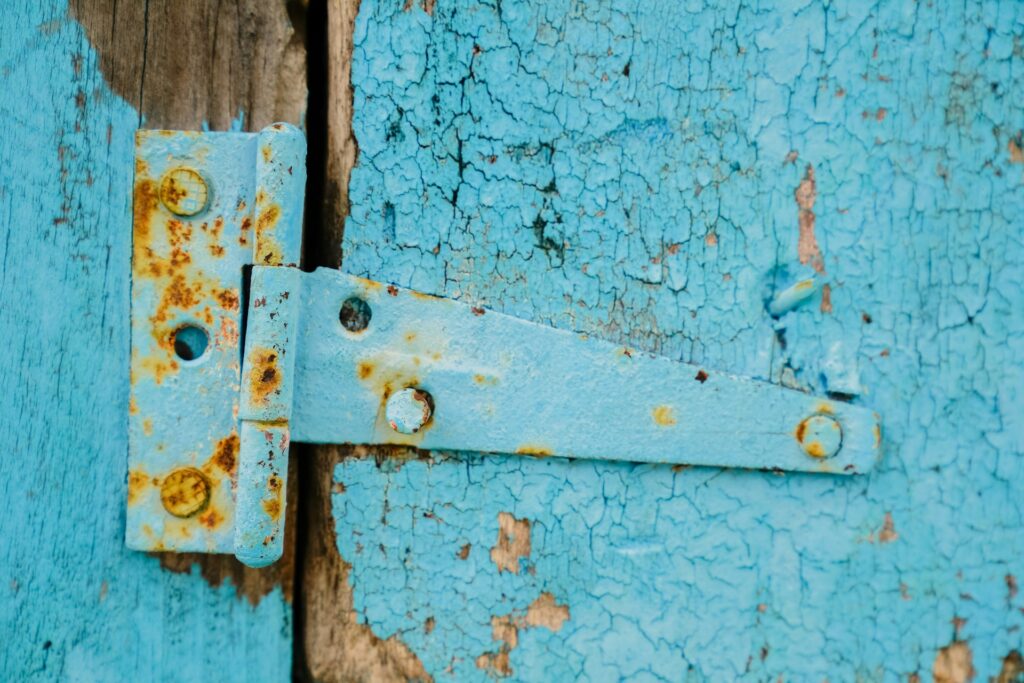
Squeaky door hinges are one of the simplest home maintenance fixes. Remove the hinge pin by tapping it upward with a screwdriver and hammer. Then, rub it with petroleum jelly or spray it with a silicone-based lubricant before replacing it.
If a door is sticking instead of squeaking, the cause is often humidity or loose hinges. The door may swell when humidity levels rise. Hinges can also loosen over time. Tighten the hinge screws to fix the issue. If needed, install longer replacement screws. In many cases, this solves the problem completely.
How to Handle Squeaky Floors and Doors
Small holes left by picture hooks or doorknob impacts are easy to fix. For holes up to about half an inch, simply apply spackling compound with a putty knife, let it dry completely, sand it smooth, and paint over it. For larger holes up to six inches, use a self-adhesive mesh patch from the hardware store as a backing material before applying joint compound in layers.
Hairline cracks in drywall are usually the result of normal settling and can be filled with a thin coat of joint compound. Apply with a wide putty knife, feathering the edges to blend with the surrounding wall. Sand smooth when dry and repaint. For wider cracks or those that recur repeatedly, tape the crack with paper joint tape embedded in compound before applying finish coats, as this provides structural reinforcement against future cracking.
Repairing Drywall Holes and Cracks
Slow or clogged drains are among the most common household plumbing complaints. In bathroom sinks, the culprit is almost always accumulated hair and soap scum in the drain stopper and trap. Start by removing and cleaning the stopper, then use a drain snake or hair-removal tool to pull out any hair buildup in the pipe below. A mixture of baking soda followed by hot vinegar can help dissolve soap buildup and freshen the drain.
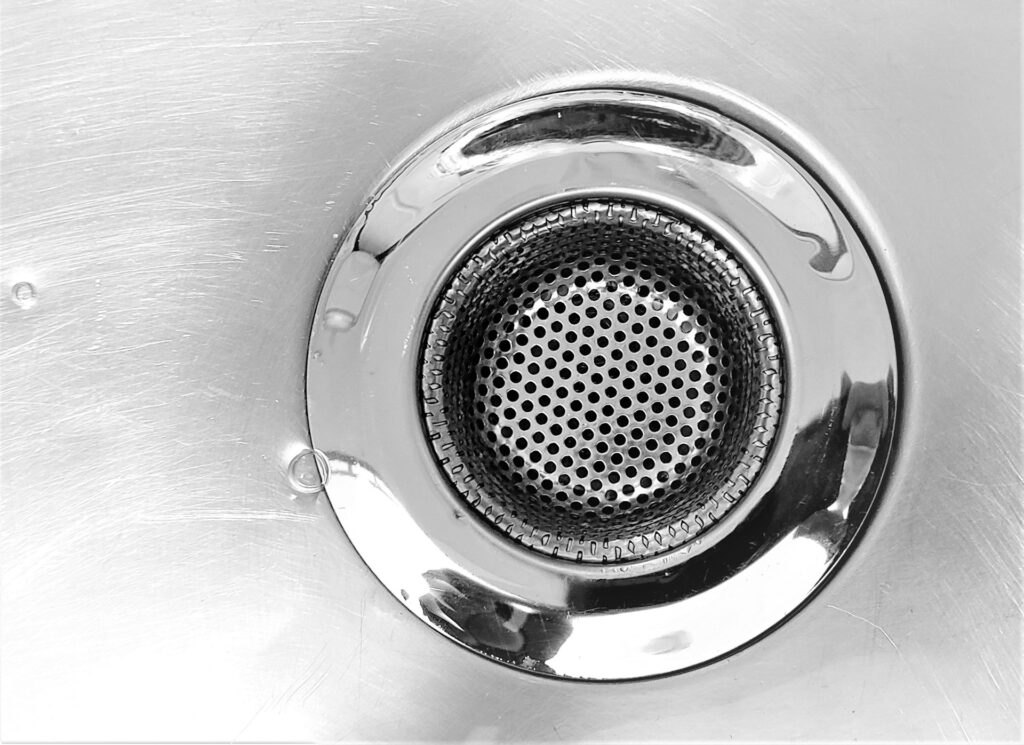
For kitchen sinks, grease and food particles are typically the cause. Never pour cooking grease down the drain. Pour boiling water down the drain weekly to help dissolve grease buildup. If the drain is fully blocked, a plunger often resolves the issue. For persistent clogs, a manual drain snake fed through the clean-out under the sink can break up or retrieve the blockage. Avoid chemical drain cleaners, as they are harsh on pipes and rarely provide a permanent solution.
Dealing with Clogged Drains and Slow Sinks
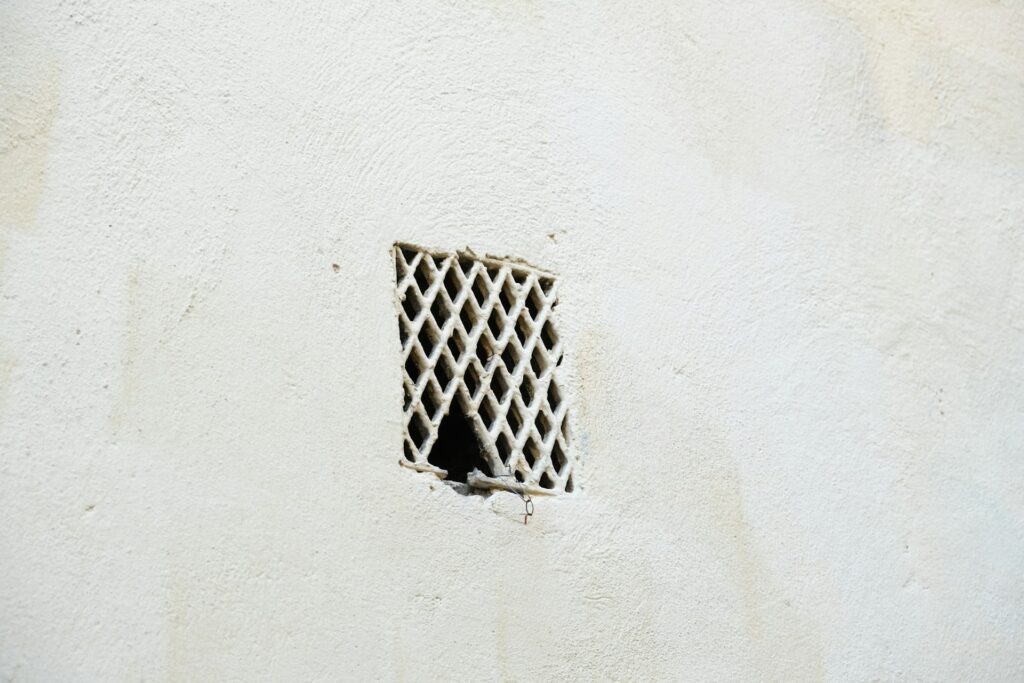
If your home is not heating or cooling evenly, the most common culprits are a clogged air filter, closed or blocked vents, or leaky ductwork. Check and replace your HVAC filter first, as a clogged filter dramatically reduces airflow and system efficiency. Ensure all supply and return vents are open and unobstructed by furniture. Dirty ductwork can also cause uneven airflow, and having ducts professionally cleaned every few years improves performance.
A thermostat that is not responding accurately may need new batteries or recalibration. If your heat pump runs constantly without reaching the set temperature in extreme cold, this is normal because heat pumps become less efficient at very low temperatures. Rooms that are consistently too hot or too cold may benefit from a separate zone or a mini-split system. For any HVAC issues beyond basic filter replacement and vent adjustment, consult a licensed HVAC technician.