
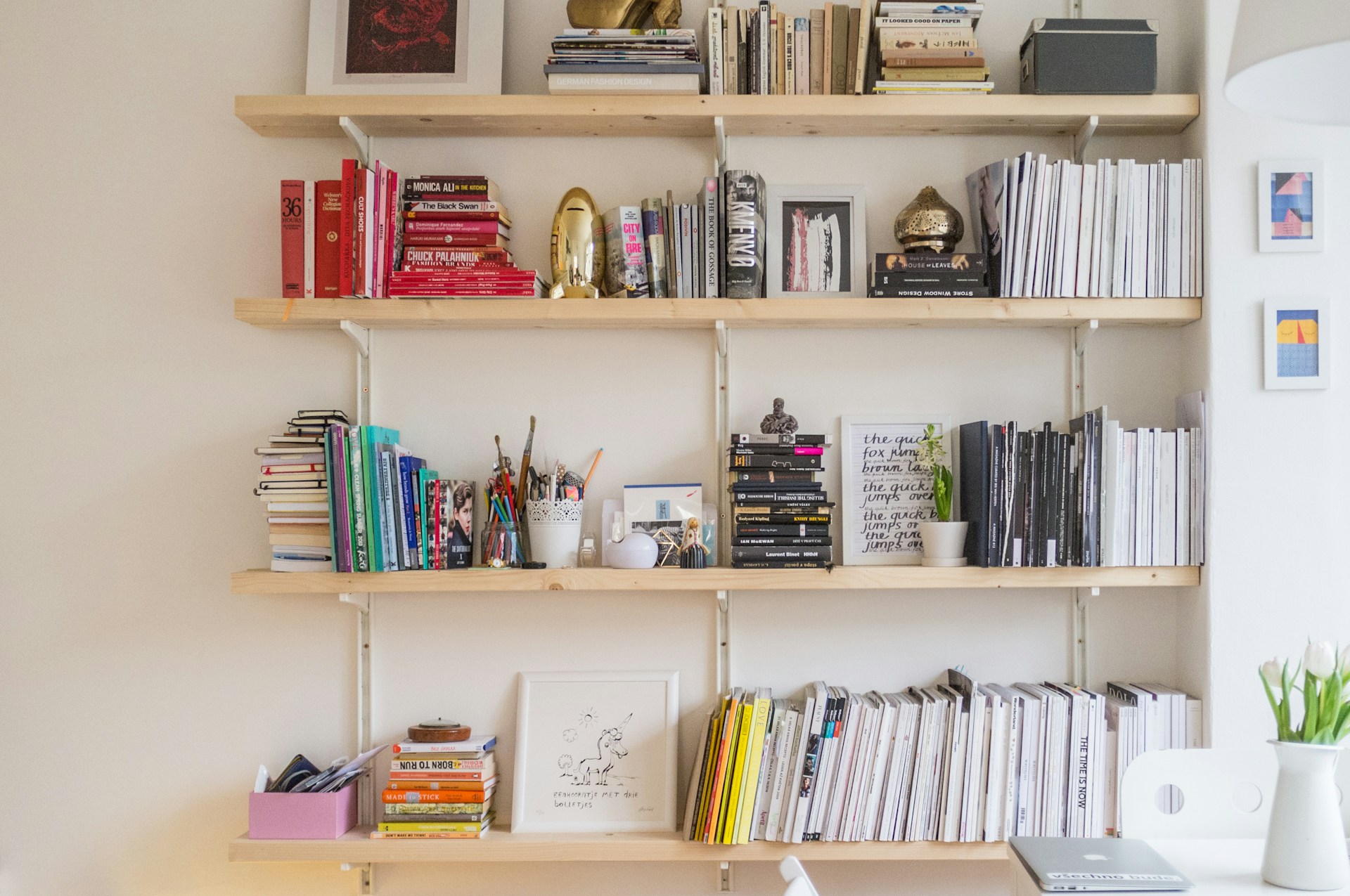

A well-organised home is not simply a tidy one — it is a functional one. The difference between an organised home and an unorganised one is not the absence of possessions but the presence of a system — a clear, logical place for every category of thing, designed around how you actually live rather than how you think you should live. Organisation is not about minimalism unless minimalism is genuinely what you want. It is about making your home work for you rather than against you.
The Foundation: A System Before Products
Before buying a single storage product, work through the category first. Take everything out of the space you are organising. Sort it into four groups: keep, donate, relocate (this belongs somewhere else), and discard. Only then decide what storage solution is needed — and what size. Buying storage before editing creates organised-looking clutter rather than genuine function.
Room-by-Room Home Organisation Ideas
Kitchen Organisation
- Drawer inserts: Modular cutlery and utensil organisers prevent drawers becoming catch-all chaos. Measure drawers before buying — inserts need to fit precisely.
- Pantry and cupboard organisation: Decant dry goods (pasta, rice, flour, cereals) into clear, labelled containers. The visual consistency makes the pantry feel calmer and items are easier to find.
- Cabinet pull-outs: Retrofittable pull-out shelves for lower cabinets make the full depth of the cabinet usable rather than forcing you to rummage at the back.
- Vertical storage: Pot and pan lids stored in a vertical rack rather than stacked with the pans saves enormous space and frustration.
Wardrobe and Bedroom Organisation
- Categorise hanging clothes: Group by category (shirts, trousers, jackets) then within each category by colour. This halves the time spent choosing and eliminates the panic of not being able to find something.
- Under-bed storage: Shallow, lidded containers for seasonal clothing, spare bedding, or items not in regular rotation. Breathable fabric bags protect textiles better than sealed plastic.
- Wardrobe shelf dividers: Prevent folded stacks from collapsing and allow you to see what is in each section without touching everything else.
- Bedside drawer insert: A simple organiser that creates separate homes for phone, charger, glasses, medication, and book prevents the bedside drawer becoming a dumping ground.
Home Office and Desk Organisation
- Vertical paper management: A wall-mounted letter tray or magazine file keeps papers visible and accessible without covering the desk surface.
- Cable management: A cable management box conceals the power strip and cable tangle behind or beneath a desk. Combined with velcro cable ties, it eliminates one of the most visually chaotic desk-area problems.
- One-in-one-out rule for paper: Every piece of paper that enters the house is either filed, actioned, or discarded within 48 hours. Paper accumulation is the fastest route to organisational failure.
For homeowners who want their organisation solutions to contribute to their home’s overall aesthetic as well as its function — choosing storage that looks as good as it works — LifeLine Home Style provides consistently thoughtful guidance on the intersection of organisation and design, covering how storage choices contribute to or undermine a room’s visual quality.
The Best Storage Solutions by Category
| Storage Need | Best Solution |
| Small items (cables, batteries, tools) | Labelled drawer inserts or small lidded boxes in a consistent style |
| Books and display items | Open shelving — flexible, accessible, and visually engaging when well arranged |
| Seasonal clothing | Under-bed breathable bags or vacuum compression bags in a cool dry space |
| Children’s toys | Open bins by category at child height — easy to access, easy to return |
| Bathroom products | Drawer inserts, under-sink organisers, and a mirrored cabinet for daily items |
| Kitchen small appliances | A dedicated appliance cabinet — keeps countertops clear while keeping items accessible |
Good to Know: The most durable organisation systems share three qualities: they are easy to maintain (returning items takes less effort than leaving them out), they accommodate the way you actually behave rather than the way you think you should behave, and they are visible enough to remind you of their logic without requiring effort to navigate.
If your organisation plans involve built-in storage — fitted wardrobes, alcove shelving, under-stair storage, or kitchen larder units — Guild of Handymen can connect you with the skilled carpenters and fitters who create bespoke storage solutions that maximise your specific space.
Q: Where do I start with home organisation?
A: Start with the space that causes you the most daily friction — the room or area that creates stress, wastes time, or makes you feel the most out of control. Fixing the most painful problem first provides immediate relief and the motivation to continue. For most people this is either the kitchen, the wardrobe, or the entryway.
Q: What are the best home organisation products?
A: The products that consistently deliver the greatest organisation improvement are: drawer inserts (kitchen and bedroom), clear labelled containers (pantry and bathroom), under-bed storage bags (seasonal items), cable management boxes (home office and entertainment areas), and a wall-mounted entry organiser (keys, post, bags). None of these is expensive — the total for all five typically costs under £100.