


For centuries, our grandmothers have sworn by the magic of cooking in copper vessels. Today, as we search for healthier cooking alternatives, these traditional copper utensils are experiencing a remarkable revival in kitchens worldwide. But what makes copper cookware so special, and is it really worth the investment?
Why Copper Utensils Deserve a Place in Your Kitchen
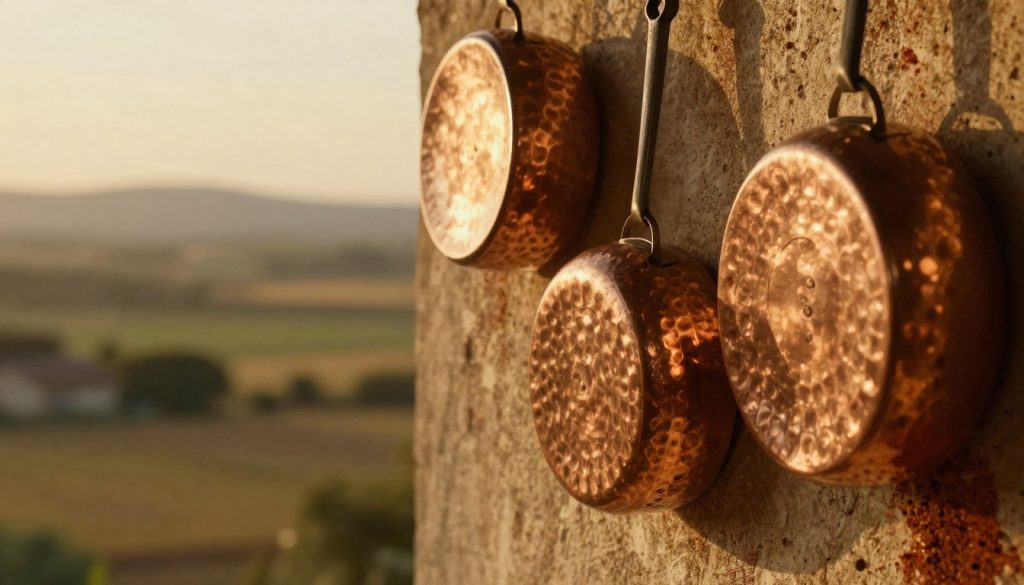
Walking through any traditional Indian household, you’ll likely spot gleaming copper vessels that have been passed down through generations. There’s genuine wisdom behind this tradition. Copper naturally possesses antimicrobial properties that help eliminate harmful bacteria from water and food. Recent studies have shown that copper surfaces can destroy up to 99.9% of bacteria within just two hours.
The thermal conductivity of copper stands unmatched among cooking materials. When you’re tempering spices or making delicate sauces, copper responds instantly to temperature changes. This means your food cooks evenly without those frustrating hot spots that burn your carefully prepared meals. Professional chefs absolutely love copper cookware for this precise heat control.
Beyond cooking performance, drinking water stored in copper water bottles offers remarkable health benefits. The ancient Ayurvedic practice of storing water in copper vessels helps balance the three doshas in your body. Modern science backs this up, showing that copper-infused water aids digestion, strengthens immunity, and even supports weight loss efforts.
Types of Copper Cookware You Should Know About
Copper kadhai remains the most versatile piece in traditional cooking. Perfect for deep-frying pakoras, making rich curries, or preparing festival sweets, a good quality kadhai distributes heat beautifully across its curved surface.
Pure copper pots work wonderfully for boiling milk without that annoying burnt smell. The metal’s quick heating prevents milk from sticking to the bottom, saving you from tedious scrubbing later.
Copper tumblers and glasses have become quite trendy lately. These aren’t just Instagram-worthy additions to your dining table. Drinking from copper vessels throughout the day genuinely supports your body’s copper intake needs.
Tinned copper cookware offers the best of both worlds. The copper exterior provides excellent heat distribution, while the tin lining prevents direct contact between acidic foods and copper, making it safer for everyday cooking.
Caring for Your Copper Collection
Here’s the truth about copper maintenance – it requires some effort, but nothing too demanding. Regular cleaning keeps your utensils shining bright. Mix equal parts of lemon juice and salt to create a natural cleaning paste. Gently rub this mixture on tarnished areas, rinse thoroughly, and dry immediately with a soft cloth.
Avoid harsh scrubbers that scratch the surface. Instead, use soft sponges or cloths for daily cleaning. For stubborn stains, a paste of tamarind pulp works wonders, just like our grandmothers used.
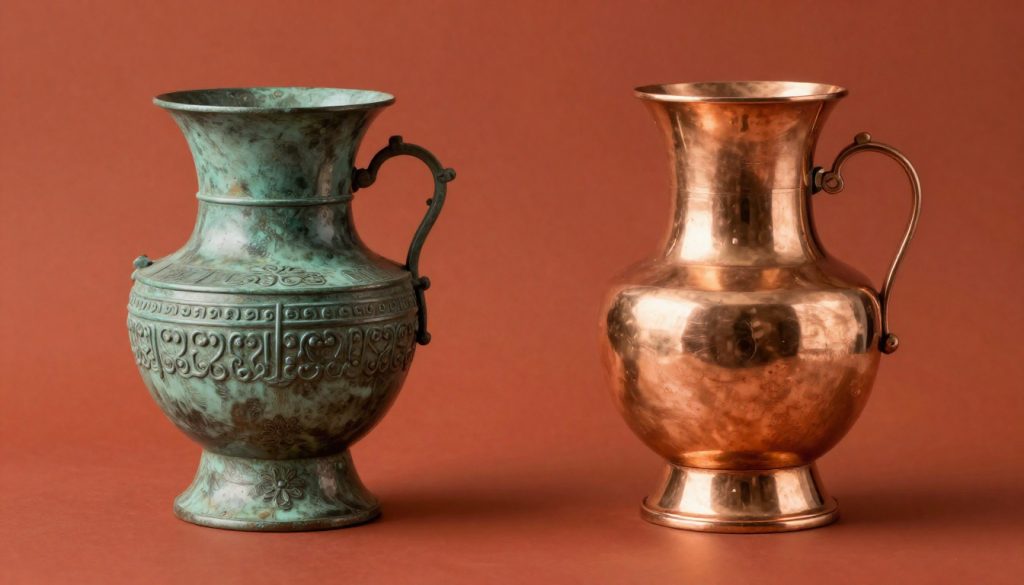
Store copper items in dry places to prevent oxidation. That green patina forming on copper isn’t necessarily harmful, but it does indicate oxidation. Quick cleaning removes it easily.
Never put copper utensils in the dishwasher. The harsh detergents and high temperatures damage the metal’s natural properties and accelerate tarnishing.
Smart Shopping Tips for Copper Utensils
Quality matters significantly when investing in pure copper cookware. Check the thickness of the metal – heavier pieces generally indicate better quality and durability. Look for smooth, even surfaces without dents or irregular patches.
Verify the copper content before purchasing. Some manufacturers sell copper-plated items marketed as pure copper. Genuine copper vessels carry substantial weight and produce a distinct ringing sound when tapped gently.
Consider your cooking needs carefully. A complete copper cookware set looks impressive, but you might actually need just a few key pieces. Start with a kadhai and a couple of serving bowls, then expand your collection gradually.
Price reflects quality in copper utensils. While budget options exist, investing in well-crafted pieces pays off through years of reliable service. Quality copper develops a beautiful patina over time that adds character to your kitchen.
Health Considerations and Safety Guidelines
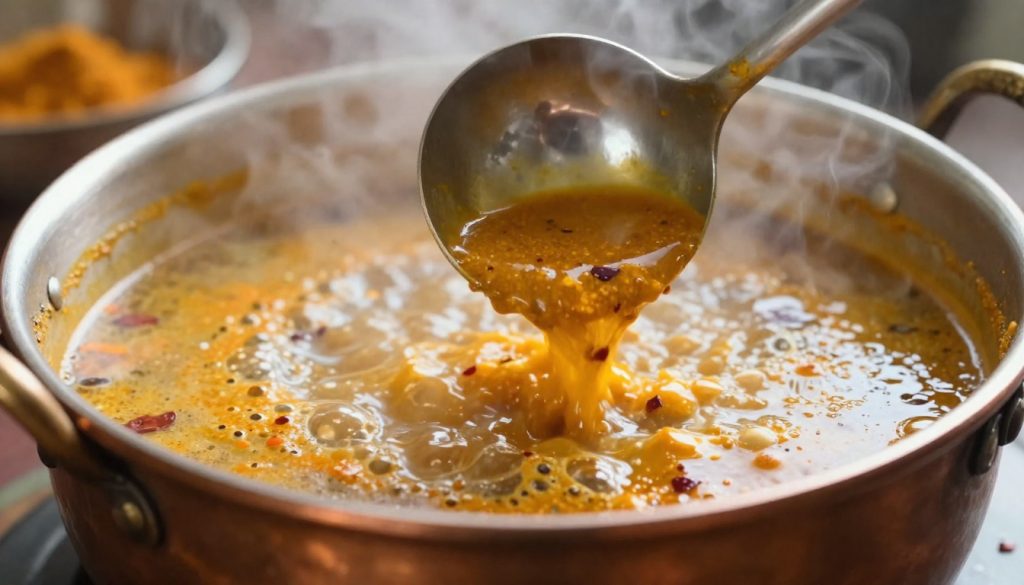
Cooking acidic foods like tomatoes or vinegar-based dishes in unlined copper can cause the metal to leach into food. This is why tinned copper or stainless steel-lined copper works better for versatile cooking needs.
Excessive copper intake can cause health issues, though this rarely happens with normal cookware use. Pregnant women should consult their doctors before regularly using copper vessels for drinking water.
Clean copper thoroughly before first use. Wash with warm soapy water, rinse multiple times, and dry completely. This removes any manufacturing residues.
Replace damaged tinning immediately if you own tin-lined copper cookware. Exposed copper underneath can react with acidic ingredients, potentially causing unwanted metal transfer to food.
The Environmental Advantage

Choosing copper utensils supports environmental sustainability. Copper is 100% recyclable without quality loss. Your great-grandmother’s copper pot could literally be melted down and reformed into a modern pan without adding new materials.
The longevity of copper cookware reduces waste significantly. Unlike non-stick pans that need replacing every few years, properly maintained copper lasts generations. This long-term durability makes copper an eco-friendly investment despite higher initial costs.
Manufacturing copper utensils requires less energy compared to many modern alternatives. The traditional hammering techniques used by skilled artisans consume minimal resources while creating beautiful, functional pieces.
Making Copper Work in Modern Kitchens
Don’t let maintenance concerns scare you away from copper. Incorporate copper strategically rather than replacing everything at once. Use copper for specific tasks where it truly excels – like making perfect halwa, frying crispy snacks, or storing drinking water.
Display your copper pieces proudly when not in use. These beautiful utensils double as kitchen decor, adding warmth and traditional charm to contemporary spaces.
Season new copper cookware before first use. Coat the interior with oil and heat gently for several minutes. This creates a protective layer that improves cooking performance.
Mix copper with other materials based on your cooking style. Stainless steel works great for everyday meals, while copper handles special recipes that benefit from precise temperature control.