
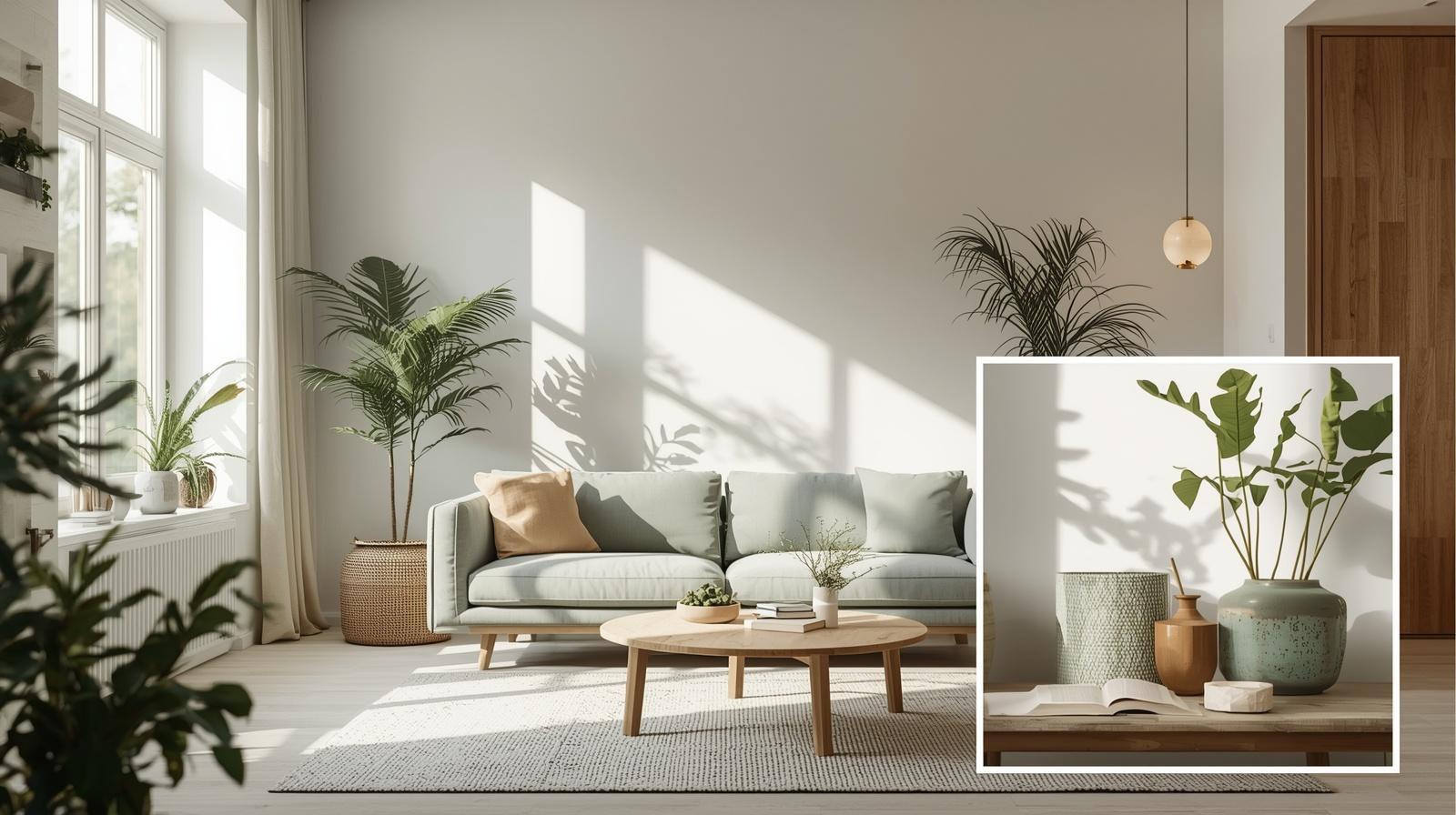

The spaces we inhabit shape us in ways that most people never consciously register. Research in environmental psychology has consistently shown that the design of our homes affects our stress levels, our sleep quality, our productivity, our mood, and our sense of identity. Interior design is not a luxury it is a direct input into our daily mental and emotional wellbeing. MintpalDecor at myinteriorpalace.com brings this evidence into practical design advice that any homeowner can apply.
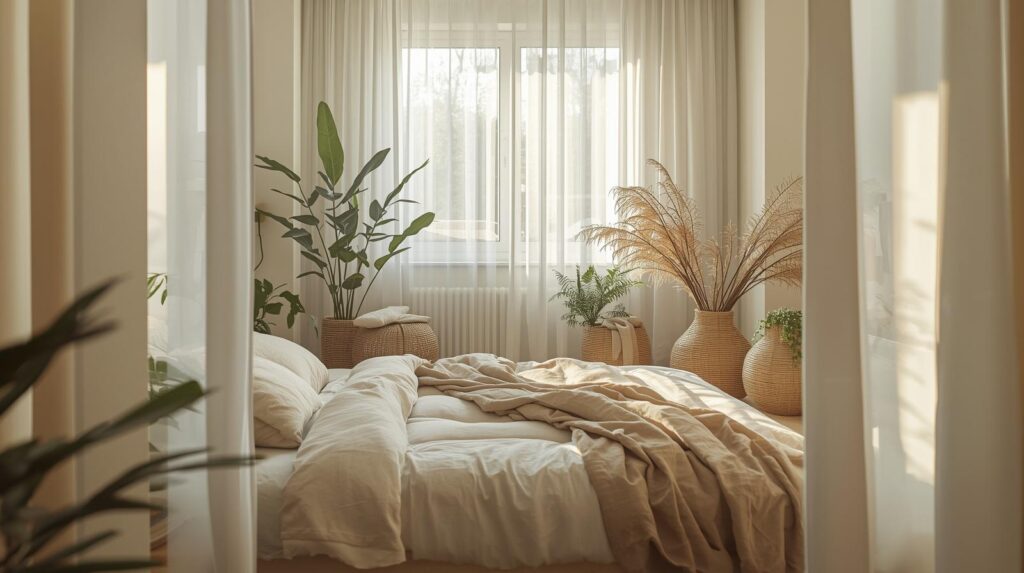
Understanding how interior design affects mental health gives you a new framework for the design decisions you make. It changes the question from ‘does this look good?’ to ‘does this help me feel the way I need to feel in this room?’ and that is a far more useful question.
The Science: What Design Does to Your Brain
Environmental psychology research has identified several consistent design-linked effects on mental health. Clutter and visual disorder elevate cortisol the body’s primary stress hormone and reduce the brain’s capacity for focused attention. Poor natural light disrupts circadian rhythms, worsening sleep quality and contributing to low mood. Excessive hard surfaces with no acoustic softening increase the perception of stress and reduce psychological comfort.
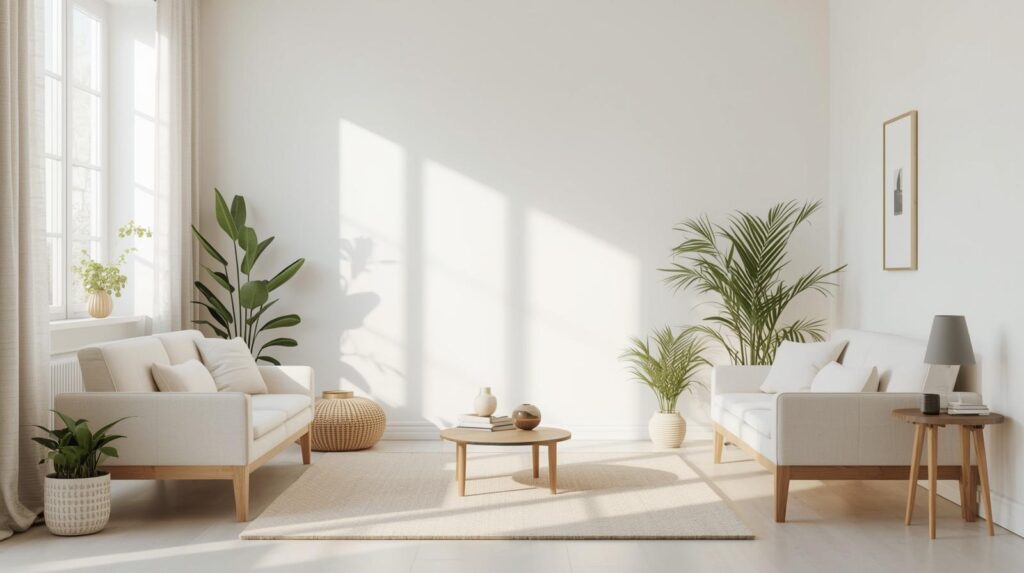
Conversely, natural materials and biophilic elements plants, wood, stone, natural light consistently reduce physiological stress markers and improve mood and attention. Spaces with visual order, appropriate colour temperature, and layered soft textures create measurably lower cortisol levels than their opposites.
MintpalDecor’s Mental Health-Focused Design Changes
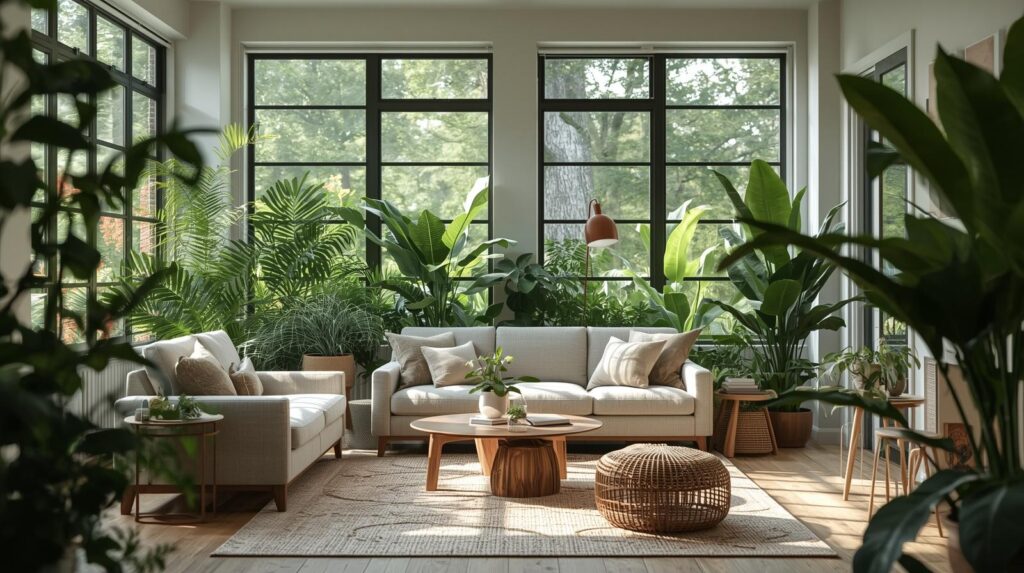
- Maximise natural light: Light is the single most powerful regulator of mood and sleep. Remove heavy window coverings, keep windows clean, and position furniture to take advantage of natural light where possible.
- Address clutter systematically: Clutter is a consistent source of background stress. Reduce the number of objects on every surface by 50% and create a defined home for everything that remains.
- Introduce biophilic elements: Plants, natural timber, stone, and water features connect us to the natural world and reduce stress. Even a single large plant in a regularly occupied room has measurable effects.
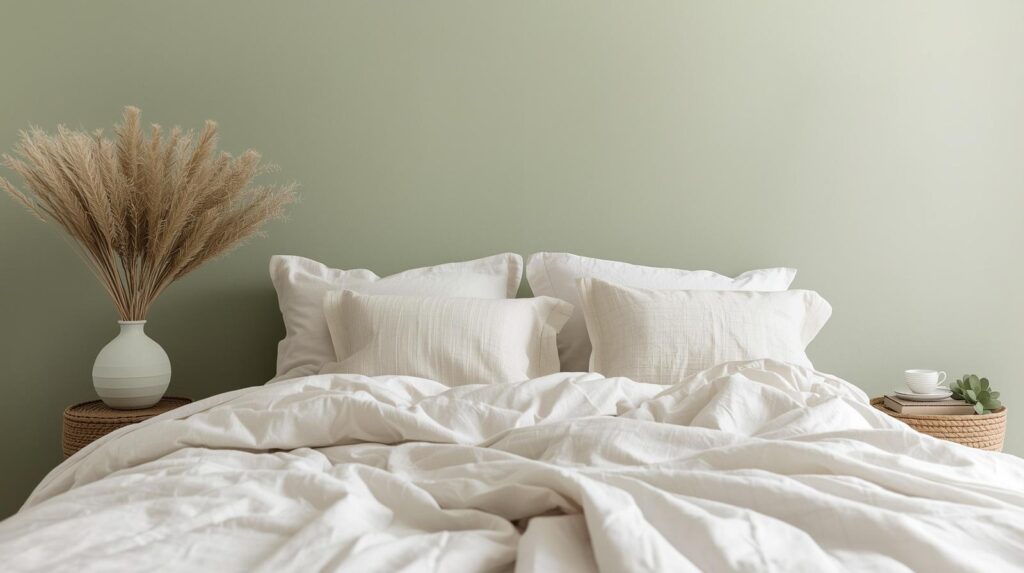
- Use colour deliberately for mood: Cool blues and greens reduce anxiety and promote calm in bedrooms and bathrooms. Warm yellows and earthy oranges energise social spaces. Avoid dark, highly saturated colours in rooms where relaxation is the goal.
- Prioritise bedroom design: The bedroom is where sleep happens and sleep is the foundation of mental health. Remove screens, control light completely with blackout curtains, and reduce visual stimulation to create the conditions for genuine rest.
Q: How does interior design affect mental health?
A: Research shows that design directly affects stress levels, sleep quality, mood, and focus. Clutter raises cortisol. Poor light disrupts sleep. Natural materials and biophilic elements reduce stress. Thoughtful design of your living spaces is one of the most impactful environmental changes you can make for your daily mental wellbeing.
Q: What room should I redesign first for better mental health?

A: Your bedroom. Sleep quality is the foundation of mental health, and bedroom design has more direct impact on sleep than any other room. Address light control, reduce visual stimulation, introduce calming colours and soft textures, and remove screens for the most immediate mental health benefit from interior design.