
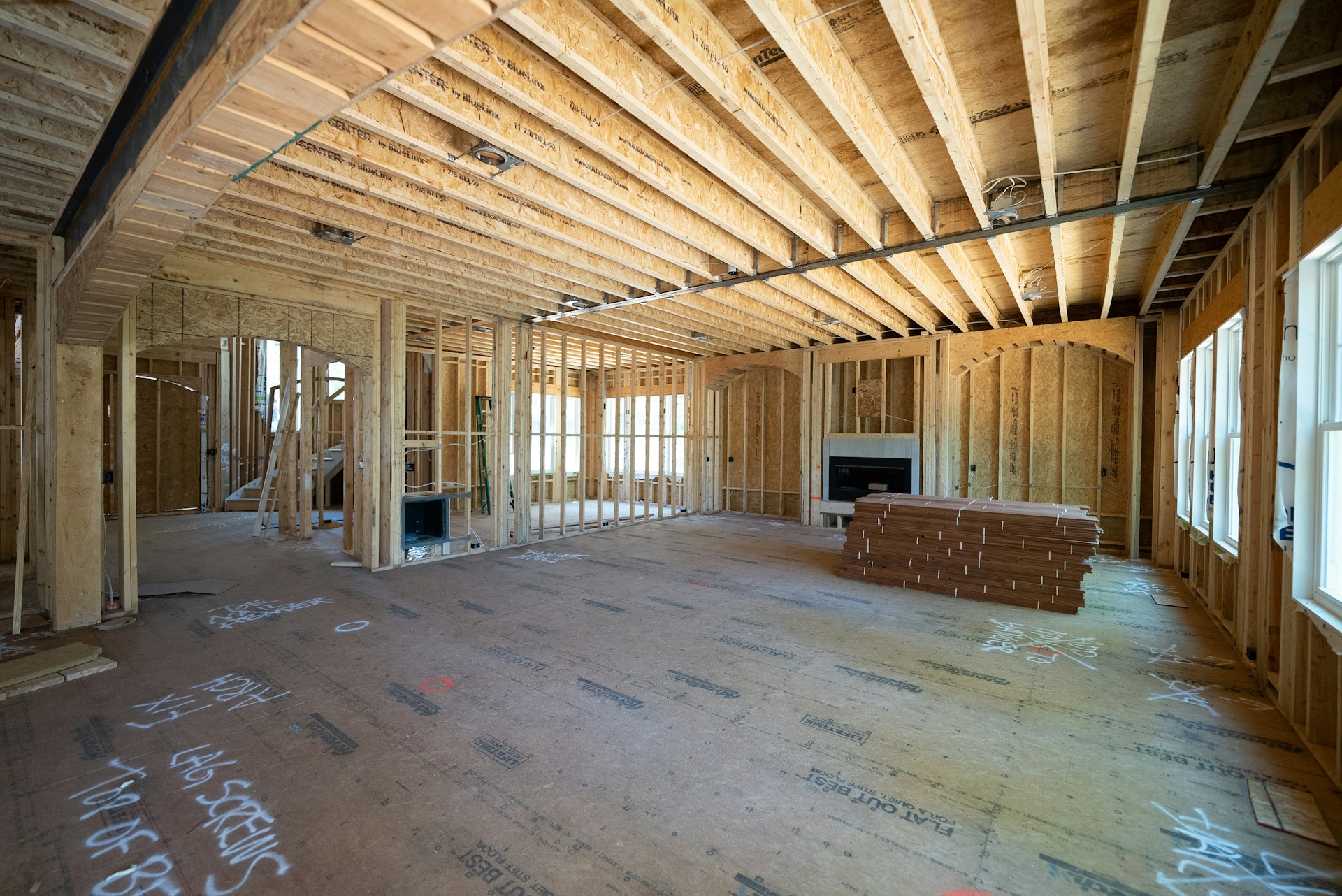

Modern homes often feature striking architectural elements that were rarely found in residential buildings a few decades ago. Large floor-to-ceiling windows, steel supports, and substantial stone accents are now common in new constructions and major remodels. These features create open layouts, fill spaces with natural light, and give homes a sleek, modern look.
While these design features seem effortless once finished, installing them demands careful planning and specialized lifting techniques. Many materials used in modern home construction weigh hundreds or even thousands of pounds. Safely moving and positioning them requires professional rigging equipment and experienced operators.
Professional rigging and below-the-hook lifting equipment enable contractors to safely handle large architectural components and install them accurately. Without these lifting solutions, installing oversized building materials would be considerably more difficult and dangerous.
The Growing Size of Modern Building Materials
Residential construction has evolved significantly in recent years. Architects and designers are increasingly using larger materials in home designs to create more striking spaces.
Floor-to-ceiling windows often use large single glass panels that can weigh several hundred pounds each. Structural steel beams used to support open-concept layouts can weigh even more depending on their size and span. In kitchens and living areas, large granite, quartz, and marble slabs are used to create expansive countertops and statement features.
Moving materials of this size requires careful lifting techniques. Contractors cannot simply carry these materials into place. Instead, they depend on professional rigging systems and Below-the-hook lifting devices that connect to cranes, hoists, or lifting equipment to safely move the load.
Why Rigging Is Essential for Safe Installation
Rigging refers to the system of equipment used to lift, secure, and move heavy loads. In residential construction projects, rigging helps ensure oversized materials are lifted smoothly and positioned accurately.
Without proper rigging, workers would have limited control over how large materials move during installation. A steel beam that shifts during lifting could damage the surrounding structure or cause serious safety hazards. Fragile materials such as glass windows or stone slabs could crack or break if not supported evenly.
Professional rigging ensures the load is distributed correctly and helps installers carefully guide materials into position. This level of control is especially important when working with delicate or costly architectural features.
Below-the-Hook Lifting Equipment in Residential Construction
One of the most crucial aspects of a professional lifting operation is the use of below-the-hook lifting equipment. These devices connect directly beneath a crane hook or hoisting system and offer a safe method to attach and support the load.
Common examples of below-the-hook lifting devices used in construction include lifting beams, spreader bars, clamps, and specialized lifting attachments designed for specific materials. These devices enhance load balance and make it easier to control heavy components during installation.
When installing large building materials in homes, below-the-hook lifting systems help evenly distribute weight and prevent unnecessary stress on the load.
Key Rigging Tools Used on Home Construction Projects
Several types of rigging tools are commonly used for lifting and installing large architectural components. Each piece of equipment is crucial in ensuring the load stays stable during the entire lifting process.
Lifting Slings
Lifting slings are among the most commonly used rigging tools in construction. Slings are usually made from synthetic webbing, wire rope, or alloy chain, depending on the load being lifted.
Synthetic slings are commonly used for lifting fragile materials like glass panels or polished stone slabs. Their gentle surface helps prevent scratches or surface damage during lifting.
Wire rope slings and chain slings are commonly used for lifting heavier structural components like steel beams. These slings offer the strength required for demanding lifting tasks.
Shackles
Shackles are essential connectors used to attach lifting slings to cranes, hoists, or lifting beams. These parts create secure connection points within the rigging system.
Common types include anchor shackles and screw pin shackles, both designed to handle heavy loads while ensuring dependable connections during lifting operations.
Spreader Bars
Spreader bars are used to keep lifting slings properly spaced when lifting wide or oversized loads. By maintaining the correct distance between lifting points, spreader bars help distribute weight more evenly across the material.
This is particularly helpful when installing large window panels or stone slabs, as uneven pressure could harm the material.
Crane Lifting Beams
Crane lifting beams are another type of below-the-hook lifting device commonly used in construction. These beams attach directly to the crane hook and enable loads to be lifted from multiple points.
Using crane lifting beams enhances stability when lifting long or heavy materials like steel beams. The beam helps keep the load balanced and lowers the chance of shifting during the lift.
Installing Large Window Panels
Large windows are among the most visually striking features in modern homes. These windows typically feature oversized glass panels that need to be installed with great care.
During installation, lifting slings and specialized glass handling equipment are attached to a crane or hoisting system. Spreader bars or crane lifting beams may be used to keep the panel balanced while it is lifted into position.
Once the panel reaches the correct height, installers carefully guide it into the window opening while keeping tension on the rigging system. This controlled lifting helps protect the glass and ensures accurate placement.
Lifting Structural Steel Beams
Structural steel beams are commonly used to support open floor plans and spacious interior areas in modern homes. These beams can weigh hundreds or even thousands of pounds, depending on their size.
Professional rigging systems enable these beams to be safely lifted and installed during construction. Chain slings, shackles, and crane lifting beams are commonly used together in a below-the-hook lifting setup.
The beam is carefully lifted into place and guided into its final position, where it can be secured to the building structure.
Handling Large Stone Features
Stone surfaces are another popular element in modern residential design. Large slabs of granite and marble are used for kitchen islands, fireplace surrounds, and statement walls.
Because natural stone is both heavy and fragile, proper lifting equipment is essential during installation. Synthetic lifting slings are frequently used to safeguard the stone surface while offering strong support.
Using professional rigging tools enables installers to move heavy slabs through tight construction spaces and position them accurately where needed.
The Importance of Professional Rigging Expertise
While the equipment used in lifting operations is crucial, the knowledge and experience of professional riggers are equally important. Every lifting operation must be carefully planned to ensure safety and efficiency.
Experienced rigging professionals assess load weight, lifting angles, and attachment points before choosing the right equipment. They decide which slings, shackles, and Below-the-hook lifting devices will best support the material being installed.
This planning helps prevent accidents, safeguards building materials, and ensures that installation work proceeds smoothly.
Turning Architectural Ideas into Reality
Many of the most impressive features in modern homes depend on professional rigging and heavy lifting techniques. Large glass windows, steel beams, and natural stone installations all need precise lifting and positioning during construction.
Behind the scenes, specialized equipment such as lifting slings, shackles, spreader bars, crane lifting beams, and other below-the-hook lifting devices make these installations possible.
Although homeowners may never see the rigging equipment used during construction, these tools are essential for transforming ambitious architectural designs into reality while ensuring the safety of workers and materials.